
The growth of online shopping has created new opportunities for businesses of all sizes. From clothing retailers and jewellery sellers to grocery stores and technology businesses, companies can use ecommerce websites to showcase products, reach new customers, and accept orders beyond their physical locations.
However, creating an online store requires more than purchasing a domain and uploading product photographs. Business owners must choose a suitable platform, organise products, configure payment methods, plan delivery arrangements, improve website visibility, and provide a reliable shopping experience.
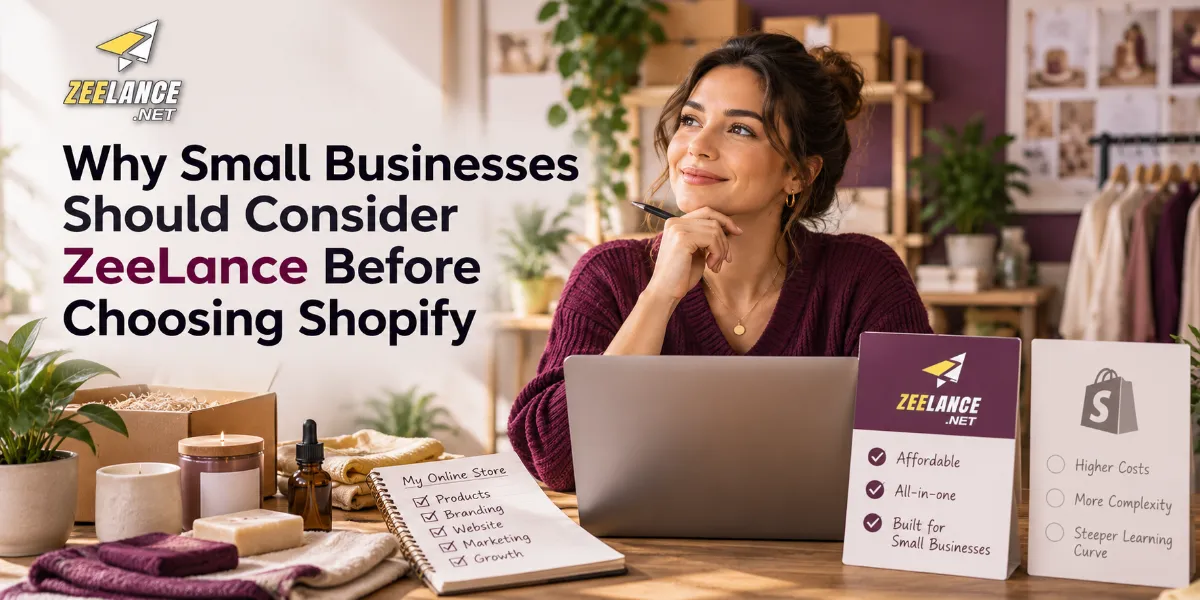
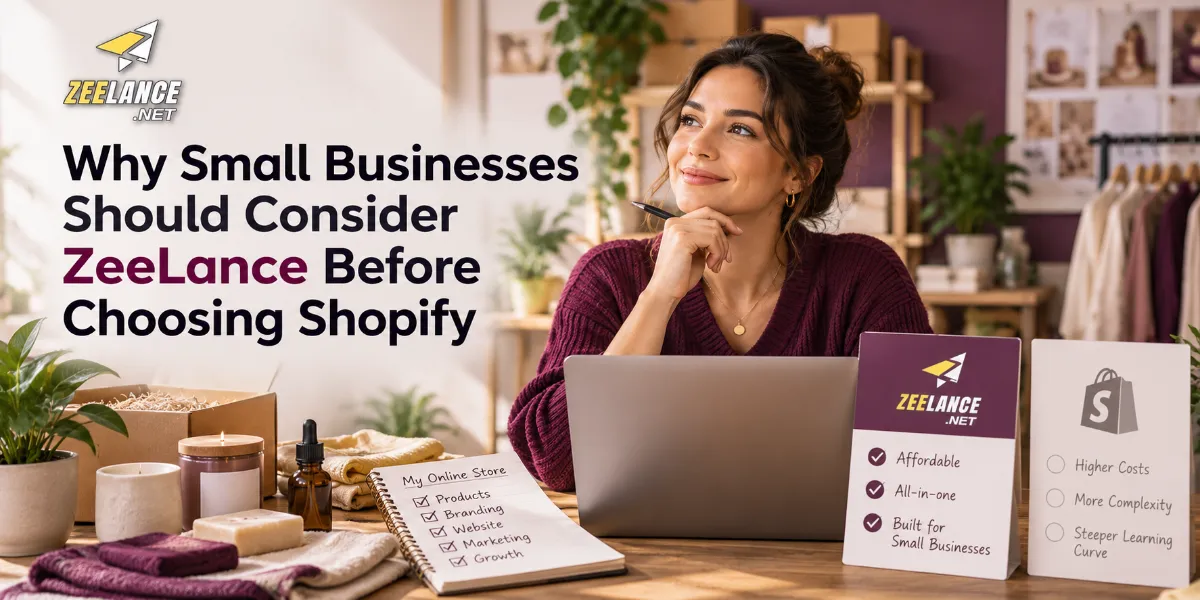
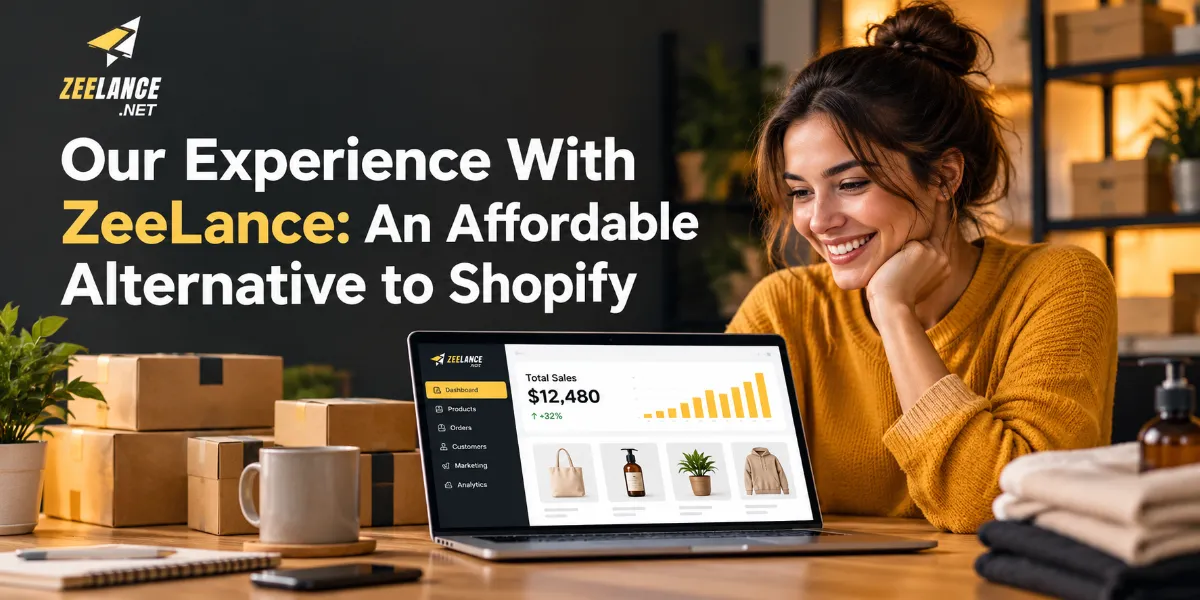
Choosing the right ecommerce platform can make these responsibilities easier to manage. Shopify is a recognised option, but it is not the only platform businesses can consider. Exploring alternatives such as ZeeLance can help entrepreneurs compare available solutions before making a commitment.
Every business has different needs. A startup may prioritise affordability and simplicity, while an established retailer may require advanced integrations, reporting, and inventory controls. The best platform is the one that matches these requirements and supports the business's plans.
This article explains why exploring ZeeLance may be worthwhile, which factors businesses should compare, and how to make a practical decision when choosing an ecommerce website platform.
1. Explore Your Options Before Making a Decision
Choosing an ecommerce platform is an important business decision because it affects website management, customer experience, operating costs, and future development.
Some entrepreneurs select the first platform they discover without comparing other options. This can lead to unnecessary expenses or difficulties if the chosen service does not support their requirements.
A better approach is to identify your needs first and then evaluate several platforms.
For example, a clothing business may require product variations for sizes and colours. A jewellery store may need attractive product galleries and well-organised categories. A grocery business may prioritise inventory updates, delivery arrangements, and efficient order processing.
Write down your essential requirements before investigating ZeeLance, Shopify, or any other ecommerce service.
Your list might include:
Product listings and category management.
A professional, mobile-friendly website design.
Suitable payment methods.
Order and inventory management.
Delivery configuration.
SEO and marketing tools.
Customer support and security information.
A sustainable overall budget.
Once you have identified these requirements, compare each platform against the same checklist. This makes the decision more objective and helps you identify which solution offers the most suitable combination of functionality and cost.
2. Understand What ZeeLance Can Offer Your Business
ZeeLance is an option worth investigating when comparing ecommerce platforms for an online store. However, every business should verify the provider's current features, pricing, and limitations before deciding whether it is suitable.
Start by examining how the platform supports your essential store activities. Can you create and organise product listings in the way your business requires? Are the necessary payment options supported? Can you configure the delivery arrangements your customers expect?
You should also investigate website design options, mobile usability, order-management tools, and the ability to maintain accurate product information.
If your business already uses other software, check whether the required integrations are available and whether they involve extra costs.
For example, a retailer may need an inventory tool to coordinate online sales with physical stock. A business serving customers in Pakistan may need payment and delivery arrangements suitable for its target market.
Do not rely only on promotional descriptions. Review current documentation, ask the provider specific questions, and test the platform where possible.
The purpose of exploring ZeeLance is to determine whether its actual capabilities fit your business. If the features and costs meet your requirements, it may be a practical option to consider alongside Shopify and other services.
3. Compare Pricing and Total Operating Costs
Budget is one of the most important factors when building an ecommerce website. Businesses need to understand both the initial setup expenses and the ongoing cost of operating their store.
Possible expenses include platform subscriptions, domain registration, paid themes, development work, payment processing, third-party apps, marketing, and maintenance.
Shopify's total cost depends on the plan and services selected. ZeeLance's current pricing and any additional charges should be checked directly with its provider. Without reviewing the exact setup, it is not possible to assume that one option will always be less expensive than the other.
A useful comparison should include all the features your business genuinely needs.
For example, if you require a custom design, payment integration, and a particular inventory tool, include those costs in both estimates. Also consider whether the platform charges transaction fees or requires separate subscriptions for important features.
Create a simple budget with the following categories:
Total estimated cost = platform fees + domain costs + payment charges + additional tools + setup and maintenance.
Then compare the estimated cost over a realistic period, such as one year. This helps reveal recurring expenses that may not be obvious when looking only at the initial price.
An affordable platform is valuable when it meets your requirements without creating hidden costs or operational problems. Careful budgeting helps businesses make sustainable decisions.
4. Build a Professional Website for Your Brand
Your website is often the first place potential customers interact with your business. A clear, professional design can help visitors understand your products and navigate the shopping process.
A good ecommerce website should have a consistent visual style, readable text, organised categories, clear product images, and straightforward navigation.
The design should suit the type of business. A luxury jewellery store may use a refined appearance with prominent photography, while a grocery store may focus on simple categories and easy access to everyday products.
When comparing ZeeLance and Shopify, investigate the design tools, themes, and customisation options available under the relevant plans. Determine whether you can create a suitable website without spending more than your budget allows.
Test more than the homepage. Visit category pages, product pages, the shopping cart, and checkout. Make sure customers can find prices, product information, delivery details, and contact information easily.
Mobile usability is also essential. The website should remain easy to navigate on smartphones, with appropriately sized buttons and readable product details.
A professional website does not have to be overloaded with animations or complicated features. A clean design that helps customers find products and complete purchases can be more useful than a visually complex website that is difficult to navigate.
5. Make Product and Inventory Management Easier
Product management is a regular responsibility for any online retailer. Business owners must add new products, update prices, correct descriptions, organise categories, and keep availability information accurate.
An ecommerce platform should support a product catalogue that reflects the business's needs.
A clothing store might organise products by gender, style, size, and colour. A jewellery retailer could use categories for rings, earrings, and bracelets. A grocery business may need categories for fruits, vegetables, grains, and household essentials.
Each product should have an accurate title, clear description, appropriate images, and correct pricing. Additional information, such as dimensions, material, weight, or quantity, should be included when relevant.
Inventory management is equally important. If an item is unavailable, the store needs a reliable way to reflect that information. Businesses with product variations should also confirm whether they can manage stock for each relevant option.
When evaluating ZeeLance, test how products are added and edited, how categories are organised, and which inventory features are available. Compare these workflows with Shopify and any other suitable platforms.
Accurate product records help prevent avoidable mistakes, improve the customer experience, and make daily store management more efficient.
6. Provide a Smooth Shopping and Checkout Experience
Customers expect online shopping to be clear and convenient. If the website is confusing or checkout requires unnecessary steps, some visitors may leave without completing their purchases.
A well-designed shopping process should help customers move naturally from browsing products to reviewing their cart and completing an order.
Product pages should provide enough information for customers to make informed decisions. Prices, product options, delivery details, and important policies should be easy to understand.
The checkout process should also be tested carefully. Check whether customers can select the correct products and quantities, enter delivery information, choose an available payment method, and review their order before submitting it.
When exploring ZeeLance, investigate how its current setup supports shopping cart and checkout functionality. Confirm whether your required payment options are available and whether any additional configuration is needed.
If your business serves customers in Pakistan, check the availability of payment methods and delivery arrangements suitable for your target market. Availability can vary by provider and business setup.
Before launching, place a test order if possible. Review the information recorded and ensure staff understand how to process the purchase.
A smooth shopping experience can reduce confusion and help customers feel more confident when ordering from your business.
7. Use SEO to Help Customers Discover Your Store
A well-designed website still needs visitors. Search engine optimisation, or SEO, helps businesses improve their chances of appearing in relevant search results.
SEO starts with useful, accurate content. Product titles should describe the items clearly, descriptions should answer customer questions, and category pages should help visitors understand what the store offers.
For example, a clothing retailer can create informative category pages for different styles of clothing. A watch store can describe product features accurately, while a grocery business can organise product categories around customers' shopping needs.
Technical considerations also matter. The website should work properly on mobile devices, use clear navigation, and load efficiently. Product images should be relevant and appropriately optimised.
When comparing ZeeLance with Shopify, check which SEO controls are available. These may include editable page titles, meta descriptions, URL settings where supported, image alternative text, and connections to analytics tools.
Confirm which features are included and whether additional apps or configuration are required.
No platform can guarantee a particular search ranking. SEO results depend on competition, content quality, relevance, technical performance, and many other factors.
Nevertheless, choosing a platform that supports your SEO requirements can make it easier to maintain and improve your online presence over time.
8. Manage Orders, Payments, and Deliveries Efficiently
Once an online store begins receiving orders, the business needs a reliable process for fulfilling them.
The workflow may involve reviewing the order, confirming payment, checking stock, preparing the products, arranging delivery, and communicating with the customer.
Clear procedures reduce the risk of mistakes. For example, staff should know how to handle unavailable products, delayed deliveries, cancelled orders, and customer requests.
Payment requirements depend on the target market and business model. Some retailers may accept online payments, while others may also offer cash on delivery or other locally supported methods.
Delivery requirements vary too. A local grocery business may serve a defined delivery area, while a clothing retailer may ship products nationwide.
When evaluating ZeeLance, verify whether its current features support your required payment and delivery workflow. Compare those capabilities with Shopify and check whether third-party services are necessary.
Also review payment processing charges, delivery-related integrations, and any other costs associated with the setup.
Test the order process before accepting real purchases. A practical test can help identify confusing steps and ensure that staff know how to manage orders from submission to completion.
Reliable order fulfilment contributes to customer satisfaction and supports the business as its sales volume grows.
9. Consider Customer Support, Security, and Reliability
An ecommerce website becomes an important part of daily business operations. If the store stops working or a technical problem affects checkout, the business may lose sales and customers may become frustrated.
For this reason, platform selection should include an assessment of customer support and reliability.
Investigate how each provider handles support requests, what documentation is available, and whether the support arrangements match your business needs.
Security is equally important. Online stores may handle customer contact information, addresses, and order records. Business owners should understand the security measures provided by the platform and the steps they must take themselves.
Use strong passwords, restrict administrative access to authorised users, and follow the provider's recommendations for protecting accounts and data.
You should also understand how your business information can be accessed and exported if you eventually decide to change platforms.
When comparing ZeeLance and Shopify, seek clear answers about support, security, backups, service availability, and data access. Verify the provider's current policies rather than relying on assumptions.
These considerations may not be as visible as website design, but they can have a major effect on the long-term operation of an online business.
10. Choose a Platform That Supports Your Future Goals
Your business requirements may change as the store develops. You might add more products, introduce new categories, hire staff, expand delivery coverage, or adopt additional marketing tools.
The platform you choose should be suitable for your current requirements and provide a reasonable path for future development.
Before making a decision, consider the size of your expected product catalogue, the number of people who will manage the store, the integrations you may need, and the types of reports that would help you make business decisions.
When exploring ZeeLance, verify the current plans, available integrations, product limits, support options, and data-export capabilities. Compare these details with Shopify and other platforms.
Avoid paying for advanced features before you need them. At the same time, do not choose a platform that lacks essential capabilities simply because its initial cost appears attractive.
It is useful to test the platform with realistic products and sample orders. Ask yourself whether daily tasks are manageable, whether customers can complete purchases easily, and whether the overall cost is sustainable.
A careful decision today can reduce the need for disruptive changes later. The best platform is the one that supports your business goals without creating unnecessary complexity or expense.
Conclusion
Exploring different ecommerce platforms is a sensible step before building your next online store. A suitable platform can help organise products, manage orders, provide a convenient shopping experience, and support the business's online growth.
ZeeLance may be worth considering alongside Shopify and other ecommerce solutions, particularly when you want to compare features, costs, and management requirements before committing. However, you should verify current pricing, available functionality, integrations, support arrangements, and limitations directly with each provider.
Start by listing your essential requirements, calculating the complete operating cost, and testing the most important website workflows. Pay particular attention to product management, checkout, mobile usability, payment options, SEO, and customer support.
Remember that a successful ecommerce website depends on more than the platform. Accurate product information, reliable delivery, helpful customer service, and consistent marketing all play important roles.
By comparing your options carefully and selecting a platform that fits your needs, you can establish a stronger foundation for your online business and work toward sustainable long-term growth.