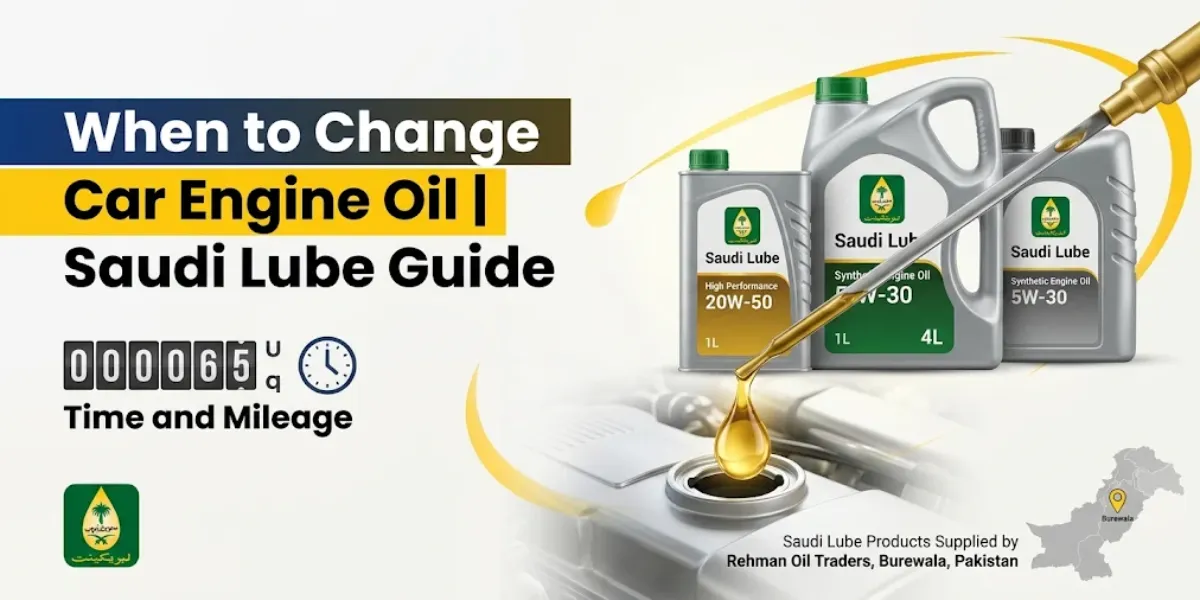

When Should You Change Your Car's Engine Oil?
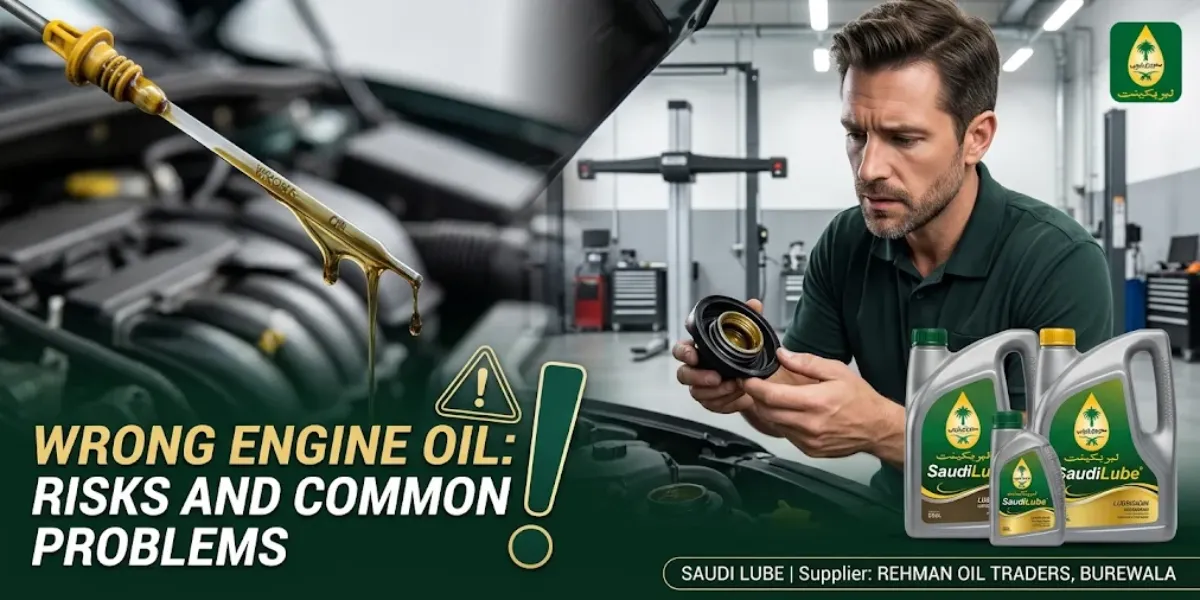
Changing your car's engine oil at the correct time is one of the most important parts of regular vehicle maintenance. Engine oil plays a vital role in keeping the engine's moving components properly lubricated, reducing friction, helping manage heat, and carrying contaminants towards the oil filter. However, engine oil does not maintain its original condition forever. As your vehicle operates, the oil gradually becomes exposed to heat, contaminants, and normal operating stress.
Many car owners ask the same question: How often should engine oil be changed? Some people follow a fixed distance, such as every 3,000 kilometres, while others wait until the oil looks dirty or the engine starts making noise. Neither approach is suitable for every vehicle.
The correct engine oil replacement interval depends on several factors, including the vehicle manufacturer's recommendations, oil type, engine design, driving conditions, and maintenance history.
In Pakistan, vehicles often operate in demanding conditions, including heavy city traffic, high summer temperatures, dusty roads, frequent short journeys, and long-distance travel. These conditions make regular maintenance especially important.
This guide explains when to change your car's engine oil, which warning signs to look for, how driving conditions affect oil life, and how to maintain your vehicle's lubrication system properly.
Why Is Regular Engine Oil Replacement Important?
Engine oil performs several essential functions that help an engine operate smoothly.
When the engine is running, many internal components move at high speed and under considerable pressure. Without proper lubrication, metal surfaces may experience increased friction and wear.
Engine oil creates a protective lubricating film between moving components. It also helps manage heat, supports the removal of contaminants, and protects internal engine surfaces against corrosion.
Over time, oil can become contaminated with dust, combustion by-products, and other particles. Exposure to high temperatures can also contribute to oxidation and changes in the oil's properties.
Replacing engine oil according to the recommended schedule helps maintain suitable lubrication and supports the engine's normal operation.
Delaying oil replacement beyond the recommended interval may increase the risk of deposits, inadequate lubrication, and unnecessary engine wear.
How Often Should You Change Your Car's Engine Oil?
There is no single oil-change interval that applies to every car. Different manufacturers specify different service schedules depending on the engine, oil specification, and vehicle design.
Some vehicles use conventional maintenance schedules, while others have longer service intervals when operated with approved engine oils.
To determine the correct interval, consider the following:
1. Check the owner's manual
Your vehicle owner's manual is the best starting point. It normally provides the recommended oil replacement interval in kilometres, months, or both.
2. Identify the recommended oil type
The required oil specification and viscosity can influence the service schedule. Always use an oil that meets the manufacturer's requirements.
3. Consider your driving conditions
Frequent traffic congestion, short journeys, dusty environments, heavy loads, and demanding operating conditions may require more frequent maintenance.
4. Check your service history
If you recently purchased a used vehicle, check when the oil was last replaced. If the history is unknown, arrange an inspection and establish a proper maintenance schedule.
5. Follow severe-service recommendations
Some manufacturers provide separate maintenance intervals for vehicles used under severe operating conditions. Check whether your driving habits fall into this category.
Never assume that every car needs an oil change after exactly 3,000 or 5,000 kilometres. Follow the interval specified for your particular vehicle and oil.
Warning Signs That Your Car Needs an Oil Check
Your vehicle may show different symptoms when its lubrication system requires attention. These signs do not always mean that the oil needs immediate replacement, but they should never be ignored.
1. The Oil Change Interval Has Arrived
The simplest indication is that your vehicle has reached its scheduled oil replacement interval.
Keep a record of the date and odometer reading whenever the oil is changed. This makes it easier to plan future maintenance and avoid accidentally extending the service interval.
If your vehicle has a maintenance reminder, follow the manufacturer's instructions for responding to it.
2. Engine Oil Level Is Low
Low engine oil is an important warning that requires attention.
Oil levels can decrease due to leaks, oil consumption, or other mechanical problems. If the level falls below the recommended range, the engine may not receive adequate lubrication.
Check the oil level using the method described in your owner's manual. If it is low, use a suitable oil that meets the required specification and investigate why the level has dropped.
Simply adding more oil does not replace the need to identify a leak or excessive consumption.
3. Oil Pressure Warning Light Appears
The oil pressure warning light is one of the most important dashboard warnings.
It may indicate that the engine is not receiving adequate oil pressure. Possible causes include a low oil level, oil pump problems, a blocked filter, or other lubrication-system faults.
If the oil pressure warning light appears while driving, stop the vehicle safely and switch off the engine as soon as it is safe to do so. Do not continue driving with a persistent oil pressure warning. Arrange a professional inspection before restarting or operating the vehicle.
4. Signs of an Oil Leak
Oil spots underneath a parked car may indicate a leak.
Check the ground where your vehicle is regularly parked. Fresh oil marks, wet areas around the engine, or an unusual burning-oil smell may suggest a problem that requires inspection.
Common leak locations can include the oil filter, drain plug, sump gasket, valve cover gasket, and engine seals.
A leak should be repaired promptly because continued oil loss can reduce the lubrication available to the engine.
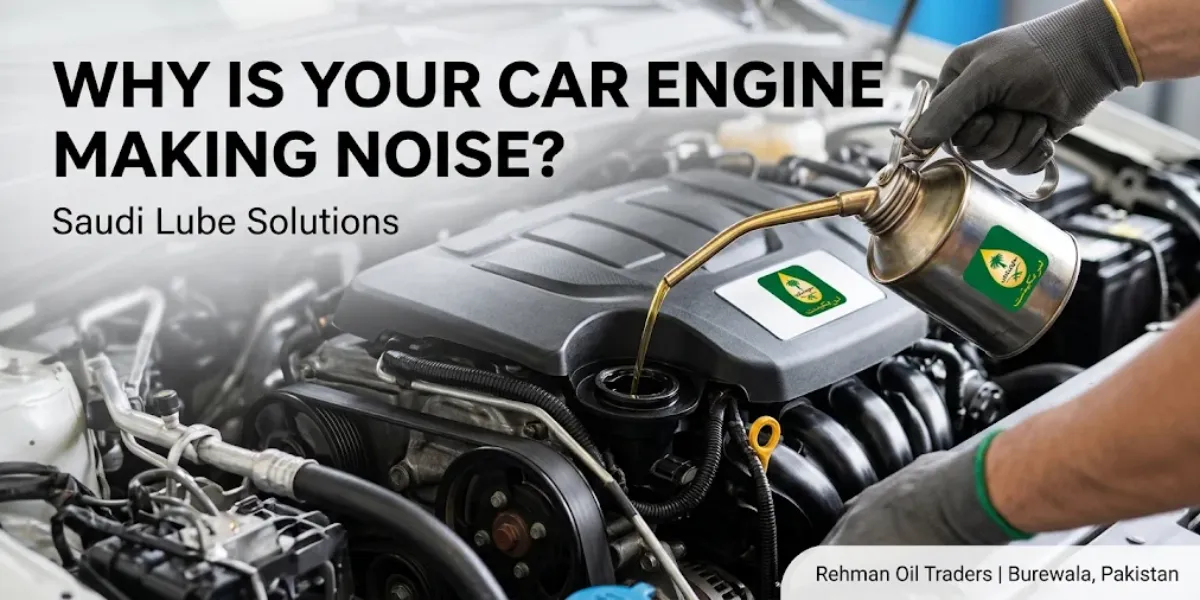
5. Unusual Engine Noise
Engine oil helps reduce friction between moving components. If the oil level becomes too low or the lubrication system develops a fault, the engine may produce unusual noises.
You may notice ticking, knocking, or other unfamiliar sounds.
However, engine noise can have several causes, and changing the oil alone may not solve the problem. Check the oil level and arrange a mechanical inspection if the noise continues.
Does Dark or Black Engine Oil Mean It Needs Changing?
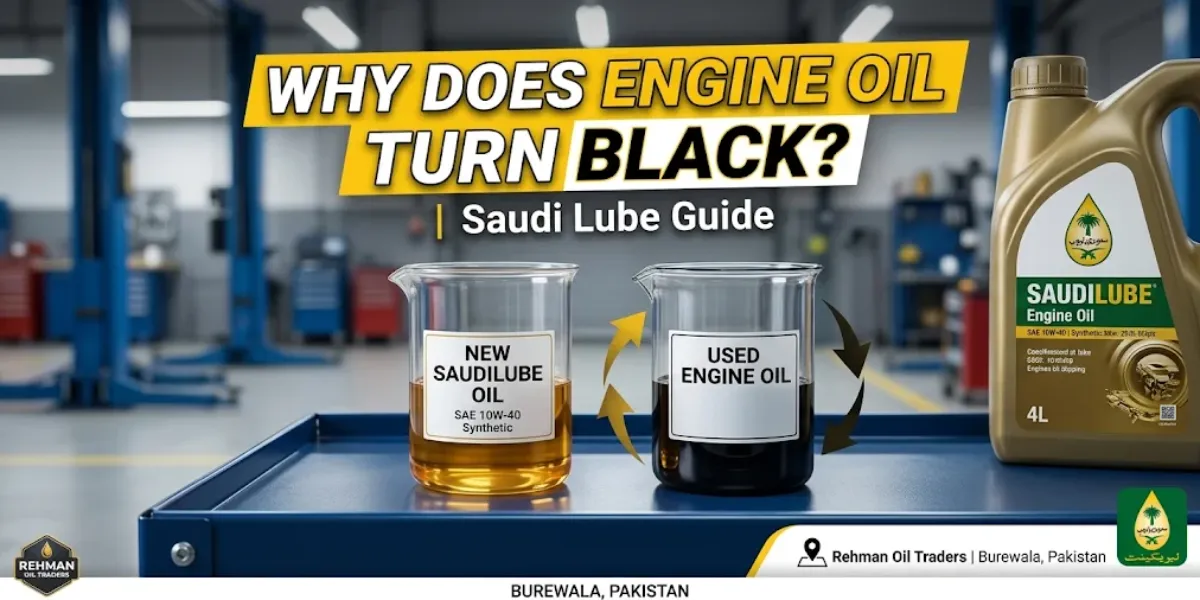
One common misconception is that engine oil must be replaced as soon as it becomes dark.
In reality, engine oil can darken during normal operation as it circulates through the engine and handles contaminants. This is particularly common in some engines and does not automatically mean the oil has reached the end of its service life.
Oil colour alone is not a reliable way to determine whether an oil change is necessary.
Instead, consider:
The manufacturer's recommended replacement interval.
The distance travelled since the last oil change.
The time elapsed since servicing.
The type and specification of oil being used.
The vehicle's driving and operating conditions.
Any unusual engine symptoms or lubrication warnings.
If you are unsure about the oil's condition, consult a qualified mechanic.
How Do Pakistan's Driving Conditions Affect Engine Oil?
Driving conditions can influence engine oil service requirements. Vehicle owners in Pakistan may experience a combination of demanding conditions throughout the year.
Heavy City Traffic
In busy cities, vehicles often spend considerable time moving slowly, stopping, and restarting. The engine may continue operating even when the vehicle covers relatively little distance.
This can make distance alone an incomplete measure of engine operating conditions.
High Summer Temperatures
During summer, high outside temperatures can contribute to demanding operating conditions, particularly when combined with heavy traffic or high engine loads.
Use the viscosity grade and oil specification recommended by your vehicle manufacturer. Do not automatically switch to thicker oil simply because the weather is hot.
Dusty Roads
Dusty environments make proper air filtration and regular maintenance important. A correctly maintained air filter helps reduce the entry of dust and particles into the engine.
Follow the manufacturer's instructions for inspecting and replacing air filters.
Frequent Short Journeys
Repeated short trips may prevent an engine from reaching and maintaining its normal operating temperature for long enough. Depending on the engine and conditions, this can contribute to moisture and contaminant accumulation in the oil.
Vehicles used mainly for short journeys may need maintenance according to the manufacturer's severe-service schedule.
Long-Distance Driving
Long journeys can involve extended periods of engine operation. Before travelling, check your oil level, inspect for leaks, and make sure your vehicle's maintenance is up to date.
What Happens If You Delay an Oil Change?
Engine oil gradually changes during use. If it is left in service beyond the recommended interval, its ability to perform its intended functions may be reduced.
Possible consequences include:
Increased engine wear: Degraded or unsuitable oil may not provide the intended lubrication and protection.
Sludge and deposits: Contaminants and oxidation products may contribute to deposits inside the engine.
Poor lubrication: Problems with oil condition or level can affect lubrication of important moving components.
Increased maintenance costs: Ignoring scheduled servicing can increase the risk of avoidable mechanical problems.
Potential engine damage: Severe lubrication problems may cause significant internal wear or engine failure.
Regular oil changes are generally much less expensive than repairing major engine components.
How to Check Your Car's Engine Oil Level
Checking your engine oil level is a simple maintenance task that every vehicle owner should understand.
Follow these general steps, while always referring to your vehicle's manual for the correct procedure.
Park your vehicle on a level surface.
Switch off the engine and allow the oil to settle for the period specified by the manufacturer.
Locate the engine oil dipstick.
Remove it and wipe it clean using a suitable cloth.
Insert the dipstick fully again.
Remove it and check the oil level against the minimum and maximum marks.
If the level is low, add the correct oil gradually and recheck it.
Make sure the level does not exceed the maximum mark.
Some modern vehicles use an electronic oil-level monitoring system instead of a traditional dipstick. Follow the vehicle manufacturer's instructions for checking the level in these models.
Checking the oil regularly can help identify problems before they become more serious.
Why Should You Change the Oil Filter Along With Engine Oil?
The oil filter is an important part of the engine lubrication system. Its job is to capture contaminants and particles circulating through the engine oil.
Over time, the filter collects debris and may become less effective. This is why oil filter replacement is generally included in routine oil servicing according to the manufacturer's maintenance schedule.
Installing fresh oil while leaving an overdue or unsuitable filter in place may compromise the overall servicing process.
When changing engine oil, check the manufacturer's recommendation for oil filter replacement and use a suitable filter designed for your vehicle.
Does Engine Oil Type Affect the Oil Change Interval?
Yes. The type and specification of engine oil can influence the maintenance schedule, but the interval should always follow the vehicle manufacturer's guidance.
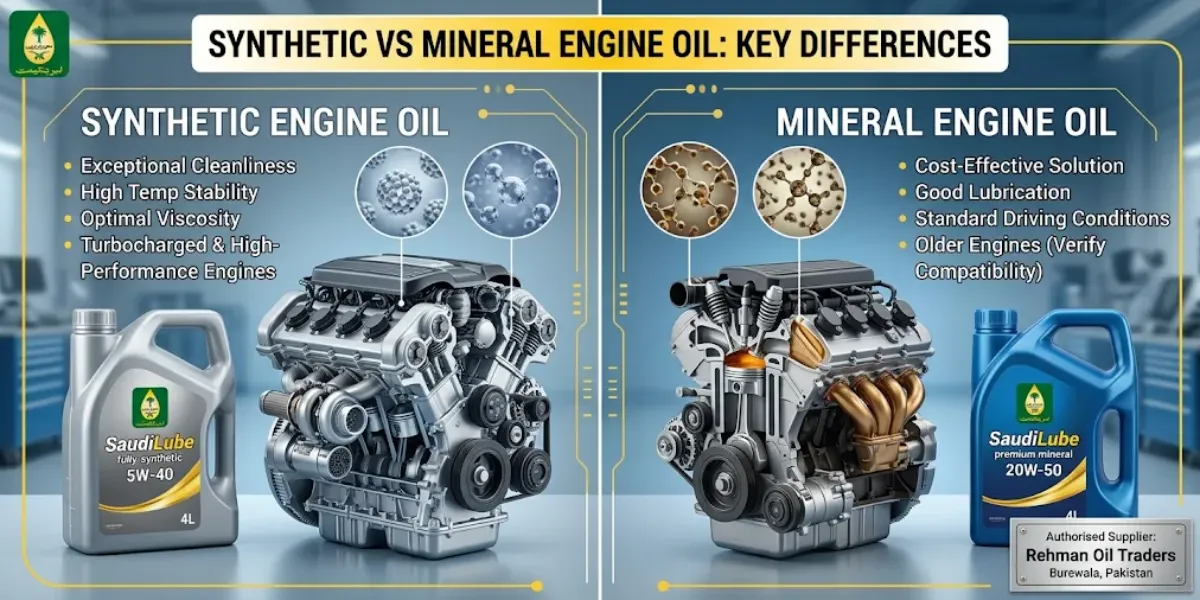
Mineral Engine Oil
Mineral engine oils are made using refined petroleum base oils. Their suitability and replacement interval depend on the particular product, engine, and manufacturer's requirements.
Synthetic Engine Oil
Synthetic engine oils are formulated using synthetic base stocks and additives designed to provide particular performance characteristics. Some vehicles specify synthetic oils and allow longer service intervals when approved products are used.
However, using synthetic oil does not automatically mean you can ignore the manufacturer's service schedule.
Semi-Synthetic Engine Oil
Semi-synthetic oils combine mineral and synthetic base stocks. Their performance and service requirements depend on the specific formulation and vehicle application.
Remember that mineral, semi-synthetic, and synthetic descriptions do not replace the need to check SAE viscosity and API performance classification.
Common Engine Oil Change Mistakes to Avoid
Many vehicle owners unintentionally make mistakes during routine servicing. Avoid these common practices:
Waiting until the engine starts making noise before changing the oil.
Following a fixed kilometre interval without checking the owner's manual.
Ignoring the manufacturer's recommended oil specification.
Choosing oil only because it is cheaper.
Assuming dark oil always needs immediate replacement.
Ignoring low oil levels between services.
Forgetting to inspect the oil filter.
Overfilling the engine with oil.
Ignoring oil leaks.
Continuing to drive with an oil pressure warning light.
Assuming synthetic oil never needs regular replacement.
A proper maintenance routine helps keep your vehicle in better operating condition and reduces the risk of preventable problems.
Frequently Asked Questions
1. Should I change my car's engine oil every 3,000 kilometres?
Not necessarily. Oil change intervals differ between vehicles. Follow the service schedule specified by your manufacturer and consider the oil type and driving conditions.
2. How many months can engine oil stay in a car?
The time-based replacement interval depends on the vehicle manufacturer's recommendations and the oil specification. Follow the kilometre and time limits provided in your owner's manual.
3. Can I drive when my engine oil level is low?
Driving with an oil level below the recommended range can be dangerous for the engine. Check the level and add suitable oil if required. If the oil pressure warning light is on, stop safely and arrange an inspection.
4. Does black engine oil mean it is damaged?
Not necessarily. Oil can darken during normal operation. Check the service interval and vehicle condition instead of relying only on colour.
5. Should I replace the oil filter during every oil change?
Follow the manufacturer's maintenance schedule. Many vehicles require the filter to be replaced during routine oil servicing.
6. Does hot weather mean I need thicker engine oil?
No. Use the viscosity grade approved by your vehicle manufacturer. Outside temperature alone is not a sufficient reason to change viscosity.
7. What happens if I put too much engine oil in my car?
Overfilling can cause problems, including increased oil aeration and pressure-related issues in some engines. Keep the level within the recommended range.
8. Can I use a different brand of engine oil during the next service?
A different brand may be suitable if the oil meets the exact viscosity and performance specifications required by your vehicle. Always check the product label and manufacturer's requirements.
9. How do I know which Saudi Lube oil is suitable for my car?
Check your vehicle's required SAE viscosity and API classification first. Then compare those requirements with the specifications of available Saudi Lube products.
10. Is regular engine oil replacement important for older cars?
Yes. Older vehicles also need proper lubrication and regular maintenance. Monitor oil levels, check for leaks, and follow the recommended servicing schedule.
Explore Saudi Lube Engine Oils with Rehman Oil Traders
Timely engine oil replacement is an important part of maintaining your vehicle. Following the correct service interval, checking the oil level, inspecting for leaks, and using the recommended viscosity and performance specification can help support reliable engine operation.
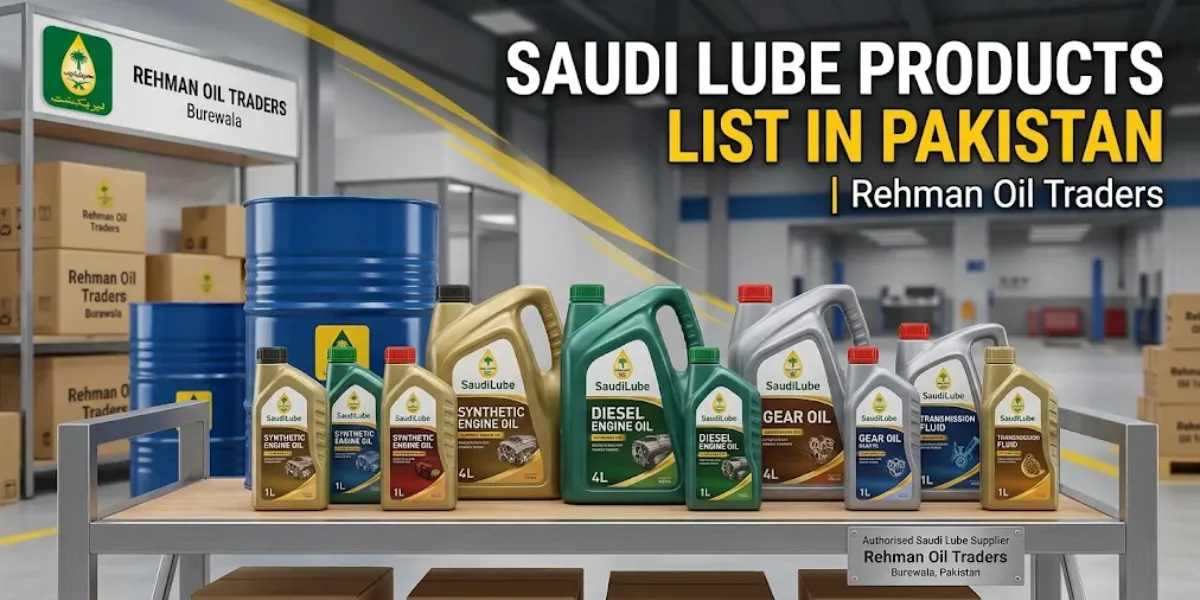
Saudi Lube offers different engine oil options for petrol vehicles, diesel engines, and motorcycles. Its product range includes different SAE viscosity grades and API classifications for various applications.
Rehman Oil Traders helps customers explore available Saudi Lube products and obtain information about product specifications, packaging, and availability.
Whether you are a car owner, motorcycle rider, workshop operator, retailer, or commercial vehicle user, selecting the right engine oil and following a proper maintenance schedule are essential.
Business: Rehman Oil Traders
Brand: Saudi Lube
Location: Burewala, Punjab, Pakistan
Website: https://www.rehmanoiltraders.com
Phone / WhatsApp: +92 310 0068195
Email: contact@rehmanoiltraders.com
For Saudi Lube product enquiries and availability, visit www.rehmanoiltraders.com or contact Rehman Oil Traders directly.
Shipping Information: Delivery arrangements and charges depend on the order weight and delivery location. Customers can also contact the business to discuss collecting their orders directly from the warehouse.
Keep track of your vehicle's service schedule, use the correct engine oil, and never ignore warning signs from your engine.