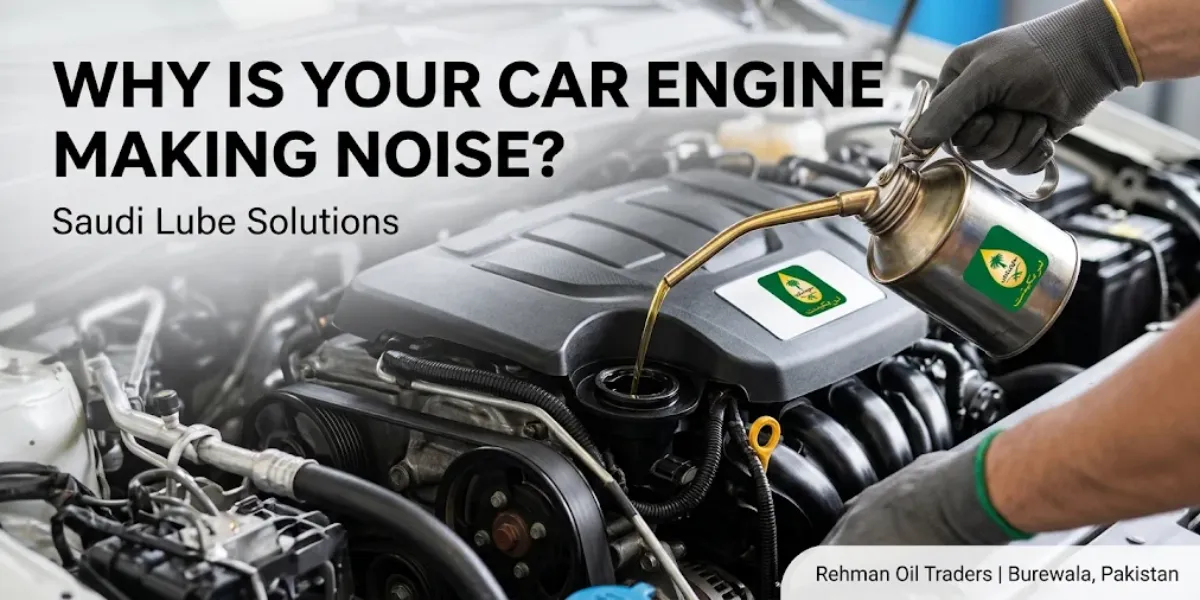

Why Is Your Car Engine Making Unusual Noises?
Hearing an unusual noise from your car engine can be worrying, especially when the sound appears suddenly or becomes louder while driving. You may notice a ticking sound when starting the vehicle, knocking during acceleration, rattling while the engine is running or grinding noises from under the bonnet. These sounds can indicate different types of problems, ranging from minor loose components to serious internal engine faults.
A car engine contains many moving parts that operate together at high temperatures and under considerable pressure. Components such as pistons, crankshafts, camshafts, valves and bearings depend on proper lubrication and regular maintenance to work smoothly. When something affects their operation, the engine may produce sounds that were not present before.
One important factor to consider is engine oil. It reduces friction, helps manage heat and protects moving components against excessive wear. Low oil levels, unsuitable oil viscosity or deteriorated oil can affect lubrication and may contribute to unusual engine sounds. However, not every engine noise is caused by engine oil. Problems with belts, pulleys, exhaust components, fuel combustion and other mechanical parts can produce similar symptoms.
Understanding the different types of engine noises can help you recognise potential problems and decide when professional inspection is necessary.
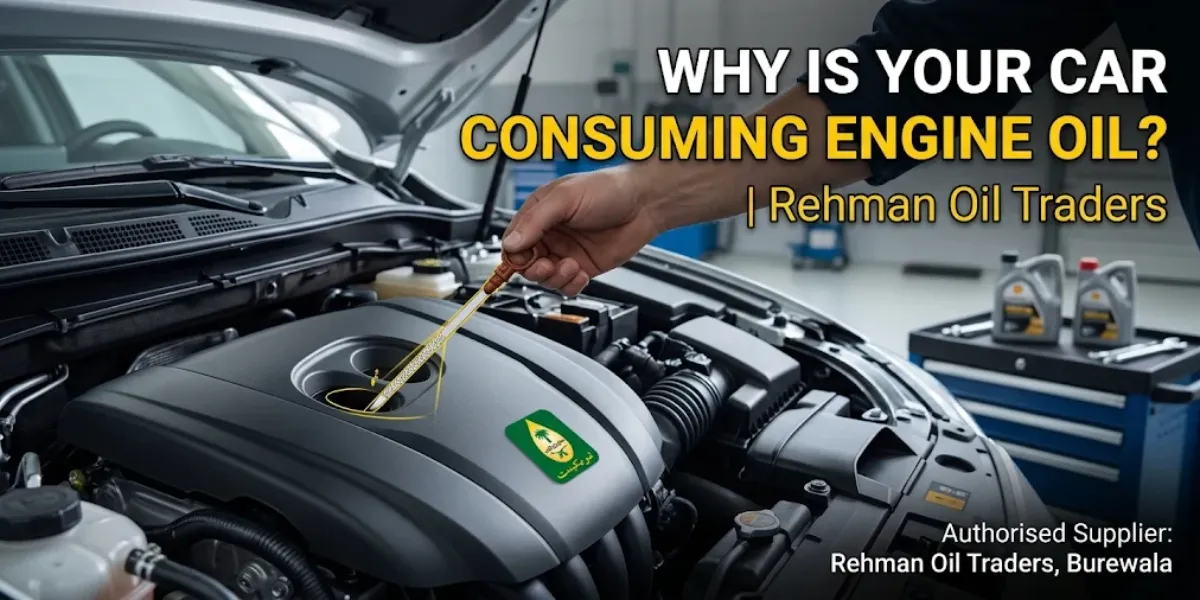
1. Low Engine Oil Level
Low engine oil is one of the first things to check when your vehicle develops unusual mechanical noises. Engine oil circulates through the lubrication system and creates a protective film between moving components.
When the oil level drops below the recommended range, the engine may not receive sufficient lubrication. This can increase friction between internal parts and potentially cause abnormal sounds.
Possible symptoms include:
Ticking or tapping noises from the engine.
Increased mechanical noise during operation.
Knocking sounds in severe cases.
An illuminated oil pressure warning light.
A noticeable drop in the oil level between services.
Low oil can result from an external leak, oil consumption or insufficient filling during a previous service.
What should you do?
Park your vehicle on a level surface and check the oil level according to the manufacturer's instructions. If it is low, use the correct oil specification to restore the recommended level. Also investigate why the oil level has dropped.
If the oil pressure warning light appears while driving, stop the engine as soon as it is safe. Do not continue driving simply because the engine still runs.
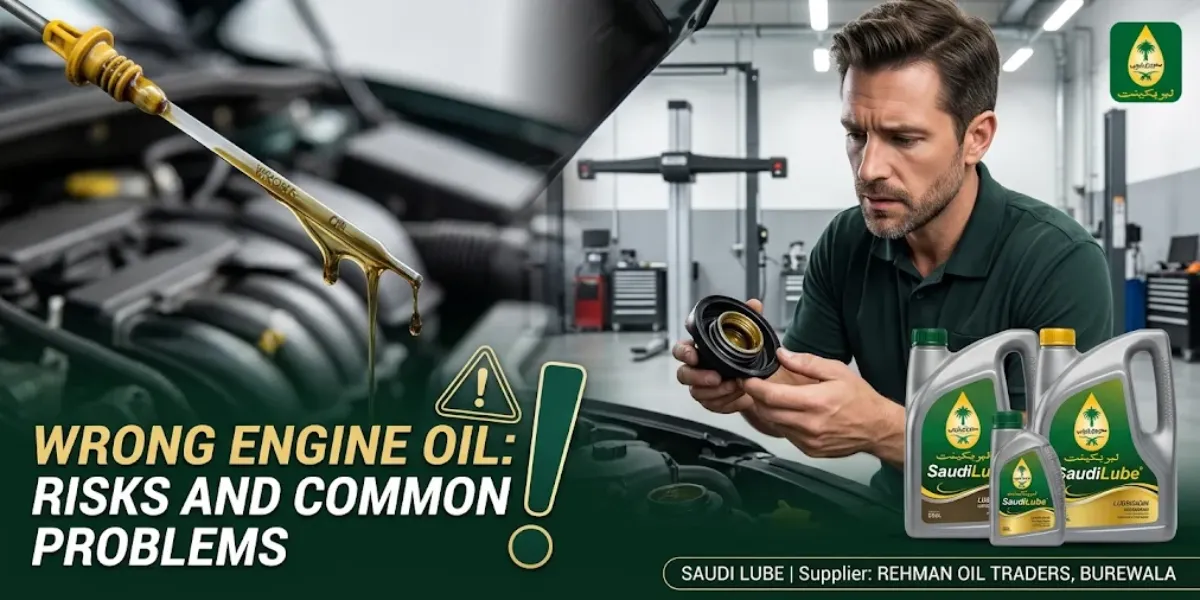
2. Incorrect Engine Oil Viscosity
Engine oil is available in different viscosity grades, such as SAE 0W-20, 5W-30, 10W-40 and 20W-50. These grades describe how the oil flows under different temperature conditions.
Every engine is designed with specific lubrication requirements. Using an unsuitable viscosity grade may affect how quickly oil circulates during startup and how it protects engine components at operating temperature.
For example, using oil that is thicker than recommended does not automatically provide better protection. It may affect oil circulation, particularly in engines designed for lower-viscosity lubricants.
Similarly, using an oil that is too thin for an application may not provide the required protection under the engine's operating conditions.
What should you do?
Check your owner's manual for the recommended SAE viscosity grade. Also verify the required API performance category or manufacturer-specific approval. Do not select engine oil based only on weather conditions or assumptions about whether thicker oil is better.
3. Engine Ticking or Tapping Noise
A ticking or tapping sound is a common complaint among car owners. It may become noticeable immediately after starting the engine or continue while the vehicle is running.
Several components can produce ticking sounds, including:
Valve-train components.
Hydraulic lifters, where fitted.
Fuel injectors.
Loose or worn mechanical components.
Components affected by insufficient lubrication.
Some engines naturally produce light injector clicking during normal operation. However, a new, unusually loud or increasing ticking sound should be investigated.
In certain engines, insufficient oil pressure or unsuitable oil can affect lubrication to upper engine components, contributing to ticking or tapping noises.
What should you do?
Check the oil level and look for warning lights. If the sound persists, ask a qualified mechanic to inspect the valve-train system, oil pressure and related components.
Avoid assuming that an oil change will solve the issue without identifying its cause.
4. Engine Knocking During Acceleration
Knocking is one of the engine noises that deserves particular attention. Some drivers describe it as a metallic pinging or rattling sound that becomes noticeable when accelerating, climbing hills or putting the engine under load.
In petrol engines, combustion-related knocking can occur when the air-fuel mixture burns abnormally. Factors that may contribute include:
Fuel with an octane rating below the manufacturer's requirement.
Excessive combustion-chamber temperatures.
Carbon deposits.
Incorrect ignition timing.
Engine-management or sensor problems.
Mechanical knocking can also occur when internal components become worn or damaged.
It is important to distinguish combustion knocking from mechanical knocking because their causes and repairs are different.
What should you do?
Avoid heavy acceleration if you hear repeated knocking. Use the fuel grade recommended by your vehicle manufacturer and arrange a professional diagnosis. If the sound is loud, persistent or accompanied by an oil pressure warning, stop driving and seek assistance.
5. Rattling Noise From the Engine Area
A rattling sound may come from inside the engine or from an external component that has become loose.
Common causes include:
Loose heat shields.
Exhaust system brackets.
Damaged engine mounts.
Loose engine covers.
Worn belt tensioners or pulleys.
Timing-chain or related component problems in certain engines.
The timing system is particularly important because it keeps engine components operating in the correct sequence. Problems involving a timing chain, tensioner or related parts can create rattling noises and may lead to serious engine damage if ignored.
What should you do?
Pay attention to when the rattling occurs. Does it happen during startup, at idle, while accelerating or when driving over uneven roads? This information can help a mechanic identify the source.
Do not attempt to inspect moving belts or pulleys while the engine is running.
6. Grinding Noise From the Engine Area
Grinding noises can indicate that two components are contacting each other in an abnormal way. The source may be related to the engine, accessory drive system or another nearby mechanical assembly.
Possible causes include:
Worn bearings.
Damaged pulleys.
Accessory drive belt problems.
Alternator bearing issues.
Water pump bearing problems.
Other rotating components.
A grinding noise that becomes louder with engine speed should be inspected promptly.
What should you do?
Avoid unnecessary driving until the source has been identified, particularly if the sound is loud or accompanied by overheating, warning lights or loss of vehicle performance.
A mechanic can inspect the accessory drive system and related components to determine whether a bearing, pulley or another part needs attention.
7. Engine Noise During Cold Startup
Some vehicles produce more mechanical noise immediately after starting, particularly when the engine has been switched off for several hours.
This can happen because engine oil settles in the sump when the engine is not operating. When the engine starts, the oil pump circulates oil through the lubrication system.
A brief change in engine sound during startup may be normal for some vehicles. However, loud or prolonged ticking, rattling or knocking should not be ignored.
Potential causes include:
Oil level below the recommended range.
Unsuitable oil viscosity.
Delayed oil circulation.
Worn valve-train components.
Timing-chain tensioner problems.
Other mechanical wear.
What should you do?
Use the manufacturer-recommended engine oil and maintain the correct oil level. Follow the service schedule and have persistent startup noises inspected.
Avoid repeatedly revving a cold engine to try to make the sound disappear.
8. Exhaust Leaks Can Sound Like Engine Knocking
Not every noise heard near the engine comes from internal engine components. An exhaust leak can produce a tapping, ticking or puffing sound that becomes more noticeable when the engine is started or accelerated.
Exhaust leaks may develop because of:
Damaged exhaust manifold gaskets.
Cracked exhaust components.
Loose connections.
Damaged exhaust pipes.
Corrosion around joints.
An exhaust leak can also allow harmful gases to escape from places where they should not.
What should you do?
Have the exhaust system inspected if you notice a ticking sound accompanied by an unusual exhaust smell, excessive noise or visible damage. Never ignore possible exhaust leaks, especially if fumes enter the passenger cabin.
9. Worn Engine Mounts
Engine mounts hold the engine in position and help reduce vibrations transmitted to the vehicle body.
When mounts become worn or damaged, the engine may move more than intended. This can create knocking or clunking sounds, particularly during acceleration, braking or gear changes.
Other symptoms may include:
Excessive vibration inside the cabin.
Noticeable engine movement.
Clunking during acceleration.
Increased vibration while idling.
Unusual movement when changing gears.
Although worn engine mounts are not an internal lubrication problem, they can easily be mistaken for engine knocking.
What should you do?
Arrange an inspection of the engine mounts and associated components. Replacing worn mounts can help restore proper engine support and reduce unwanted vibration.
10. Can Engine Oil Cause Engine Noise?
Yes. Engine oil plays an important role in controlling friction between moving engine components. When the oil level is too low, its condition has deteriorated significantly or the wrong viscosity grade is used, lubrication may become less effective.
This can contribute to abnormal sounds from components that depend on a consistent supply of oil.
However, engine noise can also result from mechanical wear, combustion problems, exhaust leaks, damaged belts, pulleys and other faults.
Changing the engine oil without identifying the actual cause may not resolve the noise.
For this reason, an appropriate diagnosis should consider:
Engine oil level.
Oil condition and service history.
Recommended viscosity grade.
Required oil performance specification.
Oil pressure, where necessary.
Mechanical condition of the engine.
Other nearby components that may produce noise.
Using the correct engine oil and maintaining a regular service schedule can help protect engine components, but it cannot repair an already damaged mechanical part.
11. How to Check Your Engine Oil Properly
Checking your engine oil is a simple maintenance task that can help you identify low oil levels before they create additional problems.
Follow these general steps, while referring to your vehicle's manual for the correct procedure:
Park the vehicle on a level surface.
Switch off the engine and allow it to settle for the period recommended by the manufacturer.
Locate the engine oil dipstick.
Remove it and wipe it clean with a suitable cloth.
Insert the dipstick fully again.
Remove it and check the oil level against the minimum and maximum markings.
If necessary, add the correct oil gradually.
Recheck the level and avoid overfilling.
Some modern vehicles use electronic oil-level monitoring instead of a traditional dipstick. Follow the manufacturer's instructions for these systems.
If the oil level repeatedly falls, have the engine inspected for leaks or excessive oil consumption.
12. How to Prevent Unusual Engine Noises
Regular maintenance is one of the best ways to reduce the risk of lubrication-related engine problems.
Consider the following maintenance habits:
Change engine oil on time: Follow the service interval specified by your vehicle manufacturer.
Use the correct oil grade: Match the SAE viscosity to the engine's requirements.
Check API specifications: Ensure that the oil meets the required performance category.
Monitor the oil level: Check it periodically and investigate unexplained drops.
Replace the oil filter: Follow the manufacturer's filter replacement recommendations.
Inspect belts and pulleys: Worn or damaged external components can produce unusual sounds.
Pay attention to warning lights: Oil pressure and temperature warnings should never be ignored.
Avoid excessive engine stress: Follow appropriate driving and warm-up practices, especially when the engine is cold.
Maintain service records: Keep a record of oil changes, inspections and repairs.
These steps can help identify developing problems early and support better long-term engine maintenance.
13. When Should You Stop Driving?
Some engine noises are relatively minor, but others can indicate conditions that require immediate attention.
Stop the engine as soon as it is safe if you notice:
A loud or sudden metallic knocking sound.
An oil pressure warning light.
Severe grinding or rattling.
Sudden overheating.
A major oil leak.
A sudden loss of engine power accompanied by unusual noise.
Continuing to drive under these conditions may increase the risk of serious damage.
If the sound is mild but continues, arrange an inspection rather than allowing the problem to develop. A qualified mechanic can identify whether the issue involves lubrication, combustion, internal engine components or an external part.
Frequently Asked Questions
1. Does low engine oil cause knocking?
Yes. Low oil levels can affect lubrication and, in severe cases, contribute to abnormal mechanical noises and engine damage. However, knocking can have several other causes, so a proper inspection is important.
2. Should I continue driving if my car engine is knocking?
Avoid continuing to drive if the knocking is loud, sudden or accompanied by warning lights, overheating or loss of power. Stop safely and arrange professional assistance.
3. Can changing engine oil stop ticking noises?
It may help if the ticking is related to unsuitable, degraded or insufficient engine oil. However, noises caused by worn valve-train parts, injectors or other mechanical components may require separate repairs.
4. Why does my engine make noise only when cold?
Cold-start noise may be associated with oil circulation, oil viscosity, valve-train components or timing-system parts. A brief sound may be normal in some vehicles, but persistent or loud noise should be inspected.
5. Does thicker engine oil reduce engine noise?
Not necessarily. Using thicker oil than recommended may affect circulation and lubrication. Always select the viscosity grade specified by the vehicle manufacturer.
6. Why does my car make a ticking noise when accelerating?
Possible causes include exhaust leaks, combustion-related problems, valve-train noise or other mechanical components. The sound's location and timing can help a mechanic identify the cause.
7. Can old engine oil cause engine knocking?
Severely degraded or contaminated oil may reduce lubrication effectiveness and contribute to mechanical wear. However, combustion-related knocking and other mechanical faults have different causes.
8. How often should I check my car's engine oil?
Check it according to your owner's manual and more frequently if your vehicle has a history of oil consumption or leaks. Regular checks help identify problems before the level becomes dangerousl low.
Saudi Lube Engine Oil – Rehman Oil Traders, Pakistan
Proper engine lubrication is an important part of vehicle maintenance. Selecting an appropriate engine oil, maintaining the correct oil level and following the recommended service schedule can help protect internal engine components and support reliable vehicle operation.
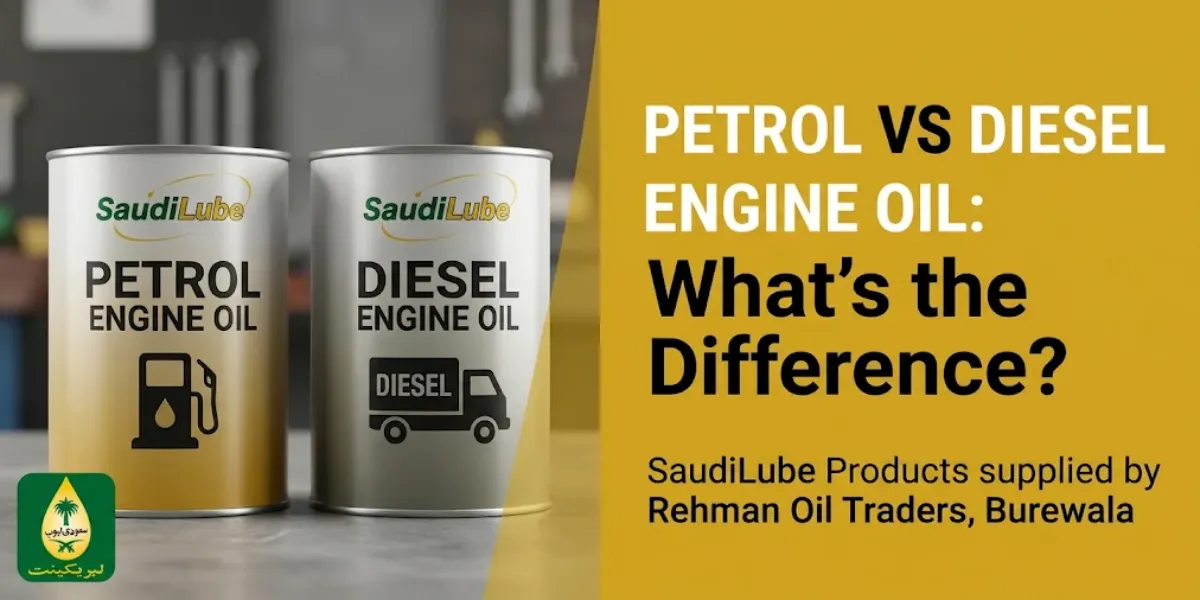
Saudi Lube offers engine oil options for different applications, including petrol engines, diesel engines and motorcycles. Available products include different viscosity grades and performance classifications to suit various engine requirements.
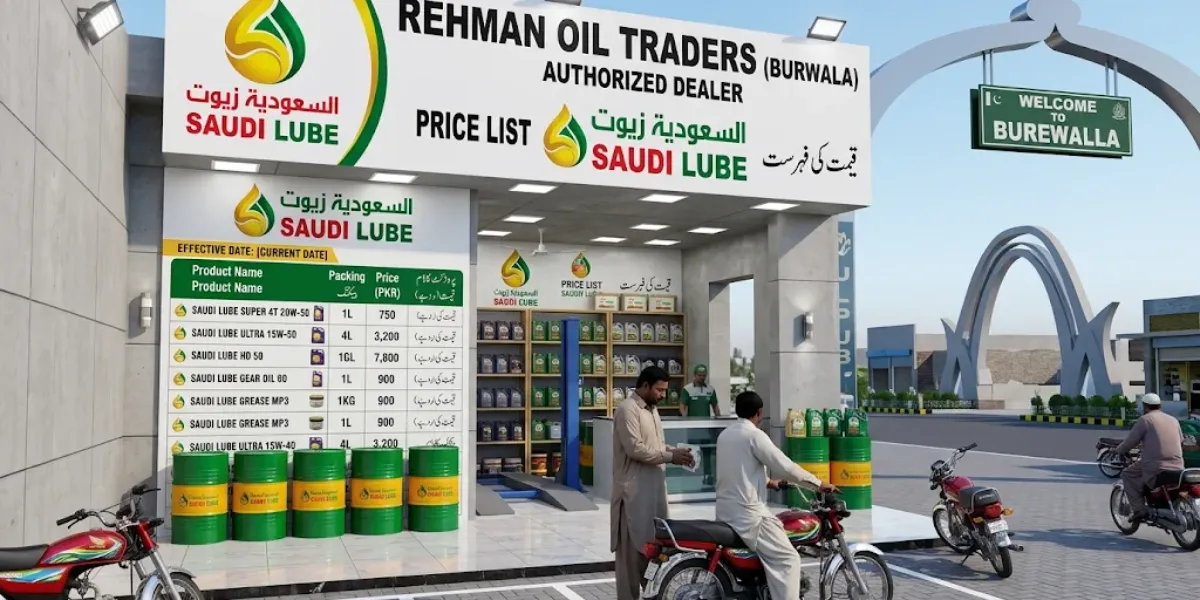
Rehman Oil Traders helps customers explore the Saudi Lube range and obtain product information for their vehicles and equipment.
Saudi Lube product categories include:
Petrol Engine Oil
Diesel Engine Oil
Motorcycle Engine Oil
Automotive Gear Oil
Industrial Oil
Whether you are a car owner, mechanic, workshop operator, retailer or fleet manager, you can contact Rehman Oil Traders to enquire about available Saudi Lube products and suitable options for your requirements.
Contact Rehman Oil Traders
Business Name: Rehman Oil Traders
Brand: Saudi Lube
Location: Burewala, Punjab, Pakistan
Website: https://www.rehmanoiltraders.com
Phone / WhatsApp: +92 310 0068195
Email: contact@rehmanoiltraders.com
Shipping and Collection: Delivery arrangements and charges depend on order weight and delivery location. Customers can also contact the business to discuss collection from the warehouse.
Visit www.rehmanoiltraders.com to explore Saudi Lube engine oil options and contact Rehman Oil Traders for further information.
If your car engine starts making an unusual noise, do not ignore it. Check the oil level, follow the correct maintenance schedule and arrange a professional inspection when necessary.