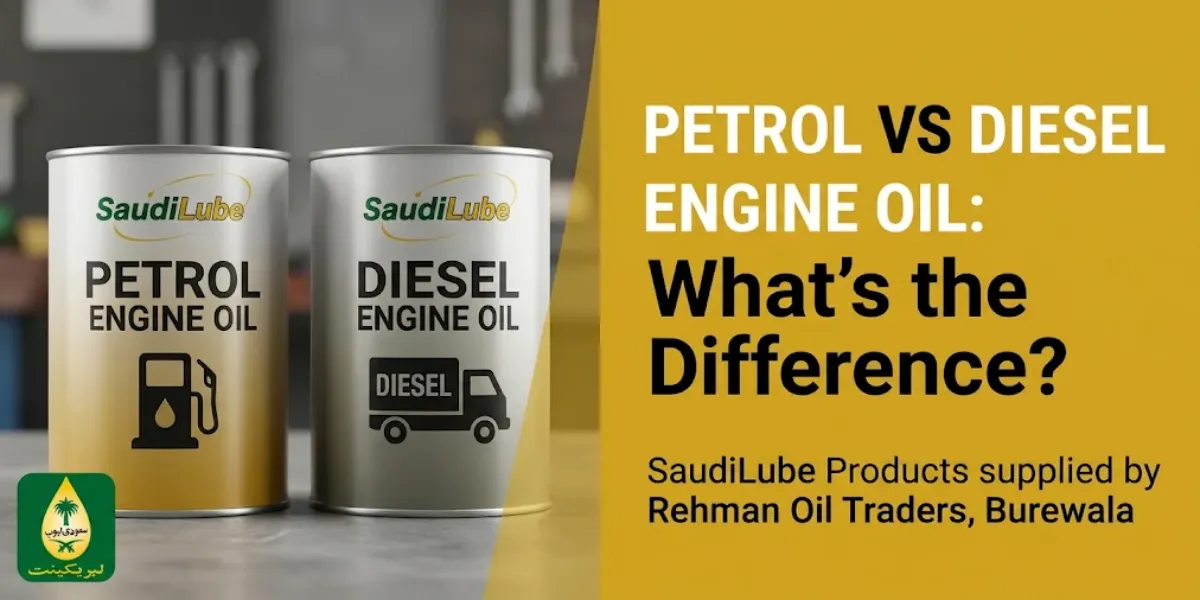

Petrol and diesel engines are designed differently, and their lubrication requirements can vary depending on engine design, operating conditions, fuel type and manufacturer specifications. Although both types of engines use engine oil to reduce friction, control heat, protect moving components and maintain engine cleanliness, the oil recommended for one engine may not always be suitable for the other.
Choosing the correct engine oil is essential for maintaining engine performance, reducing wear and supporting long-term reliability. Using an unsuitable oil can affect lubrication, engine cleanliness and overall protection.
In Pakistan, where vehicles operate in different temperatures, traffic conditions and driving environments, selecting the correct engine oil is particularly important. Whether you drive a petrol car, diesel vehicle, motorcycle or commercial vehicle, always follow the manufacturer's recommended oil grade and performance specifications.
Let's explore the major differences between petrol and diesel engine oil, how their classifications work and how to choose the right option for your vehicle.
1. How Petrol and Diesel Engines Work
The first step in understanding engine oil differences is knowing how petrol and diesel engines operate.
Petrol engines
Petrol engines generally use spark plugs to ignite the air-fuel mixture inside the combustion chamber. They are commonly found in passenger cars, small commercial vehicles and motorcycles.
Their lubrication requirements depend on factors such as engine design, operating temperature, speed, fuel injection system and manufacturer recommendations.
Diesel engines
Diesel engines use compression ignition. Air is compressed inside the cylinder, increasing its temperature, and diesel fuel is injected to initiate combustion.
Diesel engines are commonly used in trucks, buses, tractors, generators, commercial vehicles and many passenger cars.
Depending on their design and application, diesel engines may operate under heavier loads and produce different combustion by-products. Their engine oils are formulated to address the requirements of these operating conditions.
2. Why Are Petrol and Diesel Engine Oils Different?
Engine oils contain base oils and carefully selected additives. These additives help reduce friction, protect engine components, control deposits and maintain lubrication under different operating conditions.
Petrol and diesel engines may require different additive combinations because their combustion processes and operating environments are not identical.
Some important differences include:
Soot management: Diesel engines can produce soot that enters the engine oil. Suitable diesel oil formulations are designed to help manage soot and keep contaminants suspended.
Engine cleanliness: Detergent and dispersant additives help control deposits and keep internal engine components cleaner.
Wear protection: Engine oils provide a protective lubricating film between moving metal components.
Oxidation resistance: Oil is exposed to heat and oxygen during operation. Formulations are designed to resist oxidation and maintain performance.
Operating conditions: Heavy-duty diesel engines may experience different loads and operating temperatures compared with many petrol engines.
Manufacturer requirements: Modern engines can require specific performance categories, approvals and viscosity grades.
These differences explain why checking the oil specification is more important than simply choosing a product labelled petrol or diesel.
3. Understanding Petrol Engine Oil
Petrol engine oil is formulated for the lubrication requirements of spark-ignition engines.
During operation, the oil circulates through different engine components, helping reduce friction, control heat and protect moving parts from excessive wear.
Common petrol engine applications include:
Small passenger cars
Family sedans
Petrol SUVs
Petrol-powered commercial vehicles
Motorcycles designed for four-stroke engine oil
Petrol engine oils are available in different viscosity grades, including 0W-20, 5W-30, 10W-30, 10W-40 and 20W-50.
However, these grades are not interchangeable choices for every vehicle. The correct viscosity depends on the manufacturer's recommendations, engine design and operating conditions.
For example, a modern petrol car may require 0W-20 or 5W-30, while an older vehicle may specify 10W-40 or 20W-50. Always confirm the recommended grade in the owner's manual.
4. Understanding Diesel Engine Oil
Diesel engine oil is designed to meet the lubrication requirements of compression-ignition engines.
Many diesel engines operate under demanding conditions, particularly in commercial transportation, agriculture, construction and industrial applications.
Diesel engine oil must help:
Protect engine components against wear.
Control soot and combustion-related contaminants.
Reduce harmful deposit formation.
Maintain lubrication under demanding operating conditions.
Resist oxidation and thermal breakdown.
Support engine cleanliness.
Diesel engine oils are available in different viscosity grades and API service categories.
For example, Saudi Lube's diesel range includes products with specifications such as API CI-4, CH-4, CF-4 and other listed categories. The appropriate product depends on the engine manufacturer's requirements and the vehicle's intended application.
A heavy-duty truck, agricultural tractor and passenger diesel car may have different lubrication requirements. Therefore, never select diesel oil based only on the vehicle's fuel type.
5. What Are API Ratings in Engine Oil?
API stands for the American Petroleum Institute. Its engine oil service classifications help identify the performance requirements an oil is designed to meet.
API classifications are particularly important when comparing petrol and diesel engine oils.
Petrol engine oil categories generally begin with the letter S, while diesel engine oil categories generally begin with the letter C.
Examples include:
Petrol engine oil classifications:
API SP
API SN
API SM
API SG
API SF
Diesel engine oil classifications:
API CI-4
API CH-4
API CF-4
API CF
API CE
API CD
These classifications represent different performance requirements and historical service categories. A newer category is not automatically suitable for every older or specialised engine.
Always check the vehicle manufacturer's specified API category or approved alternative before purchasing engine oil.
6. Can Petrol Engine Oil Be Used in a Diesel Engine?
Not necessarily.
A petrol engine oil should not automatically be considered suitable for a diesel engine. Diesel engines may require specific soot-handling capabilities, wear protection and performance characteristics that a petrol-only oil may not provide.
However, some engine oils are formulated for multiple applications and carry both petrol and diesel performance classifications.
If an oil meets the exact specifications required by the diesel engine manufacturer, it may be suitable even if it is also marketed for petrol applications.
Before using any oil in a diesel vehicle, check:
The recommended SAE viscosity grade.
The required API diesel service category.
Any manufacturer-specific approval.
Whether the oil is suitable for the engine's emissions system.
The recommendations in the owner's manual.
This is particularly important for modern diesel vehicles equipped with diesel particulate filters (DPF) and other emissions-control systems, which may require low-SAPS or other specially approved oils.
7. Can Diesel Engine Oil Be Used in a Petrol Engine?
Diesel engine oil should not automatically be used in a petrol engine.
Some diesel oils also carry petrol engine classifications, meaning they may be suitable for certain petrol applications. However, a diesel-only oil may not meet the performance requirements of a petrol engine.
For example, if your car requires API SP, choosing an oil that only lists an older diesel classification may not satisfy the manufacturer's requirements.
Always check the complete specification printed on the oil container rather than relying on the product's general description.
8. What Is the Difference Between SAE Viscosity and API Classification?
Many customers confuse SAE viscosity grades with API service classifications. Both are important, but they describe different properties.
SAE viscosity grade
SAE refers to the Society of Automotive Engineers. The viscosity grade indicates how an engine oil behaves at different temperatures.
Examples include:
0W-20
5W-30
10W-30
10W-40
15W-40
20W-50
SAE 50
The number before W relates to low-temperature viscosity performance, while the number after W indicates viscosity at higher operating temperatures. Single-grade oils, such as SAE 50, are classified differently.
API service classification
API classifications indicate the engine oil's performance category and the type of engine requirements it is designed to address.
For example, an oil can be SAE 15W-40 and API CI-4. The first identifies its viscosity grade, while the second identifies its diesel engine performance classification.
You must check both specifications when choosing engine oil.
9. Petrol vs Diesel Engine Oil: Key Differences
Feature | Petrol Engine Oil | Diesel Engine Oil |
|---|---|---|
Engine type | Spark-ignition | Compression-ignition |
Common API category | S series | C series |
Soot management | Formulated for petrol engine requirements | Often requires additional soot-handling capability |
Applications | Cars and petrol vehicles | Trucks, tractors and diesel vehicles |
Additive formulation | Designed for petrol engine conditions | Designed for diesel engine conditions |
Viscosity | Depends on manufacturer | Depends on manufacturer |
These are general differences. Some oils are designed for both petrol and diesel applications, so always verify the complete specifications.
10. How to Choose the Right Engine Oil in Pakistan
Pakistan has a wide range of vehicles, from small petrol cars and motorcycles to heavy-duty diesel trucks and agricultural machinery.
Driving conditions can also vary significantly. Vehicles may experience heavy city traffic, long-distance journeys, high ambient temperatures, dusty environments and frequent stop-and-go driving.
When selecting engine oil, consider the following factors.
Check your owner's manual
Your vehicle manual is the most reliable starting point. It provides the recommended viscosity grade and performance classification.
Identify your engine type
Confirm whether your vehicle has a petrol or diesel engine. Do not assume that the same oil will work in both.
Check the API classification
Compare the oil's API category with the vehicle manufacturer's requirement.
Consider the vehicle's age and condition
Older vehicles may have different oil requirements from newer models. However, do not automatically select thicker oil simply because a vehicle has high mileage.
Consider the manufacturer's approvals
Some modern engines require specific manufacturer approvals beyond the SAE and API classifications.
Purchase from a reliable supplier
Check the product label, packaging, specification details and source of purchase. Proper product information helps you make a more informed decision.
11. Common Mistakes When Buying Engine Oil
Choosing engine oil based only on price, colour or thickness can lead to an unsuitable purchase.
Here are some common mistakes to avoid:
Using petrol engine oil in a diesel vehicle without checking compatibility.
Using diesel engine oil in a petrol car without checking its specifications.
Selecting oil based only on SAE viscosity.
Ignoring the API service classification.
Assuming thicker oil is always better for older engines.
Using an oil that does not meet the manufacturer's approval.
Ignoring the requirements of modern emissions-control systems.
Following another vehicle owner's recommendation without checking your own vehicle specifications.
The best engine oil is not necessarily the thickest or most expensive option. It is the oil that meets your engine's actual requirements.
12. Saudi Lube Petrol and Diesel Engine Oil Options
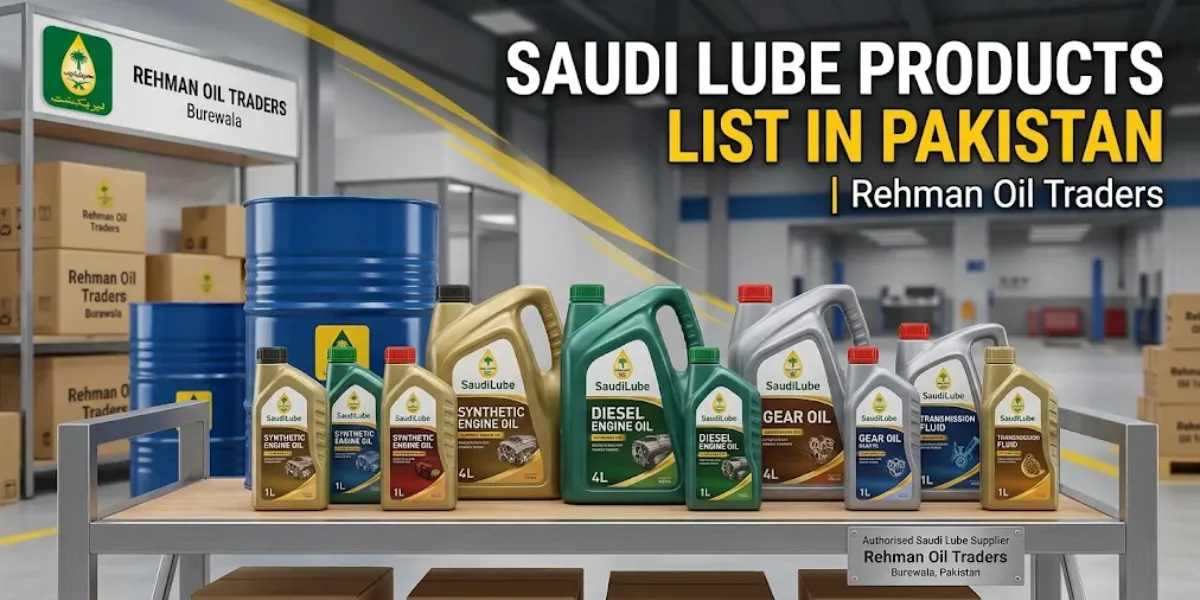
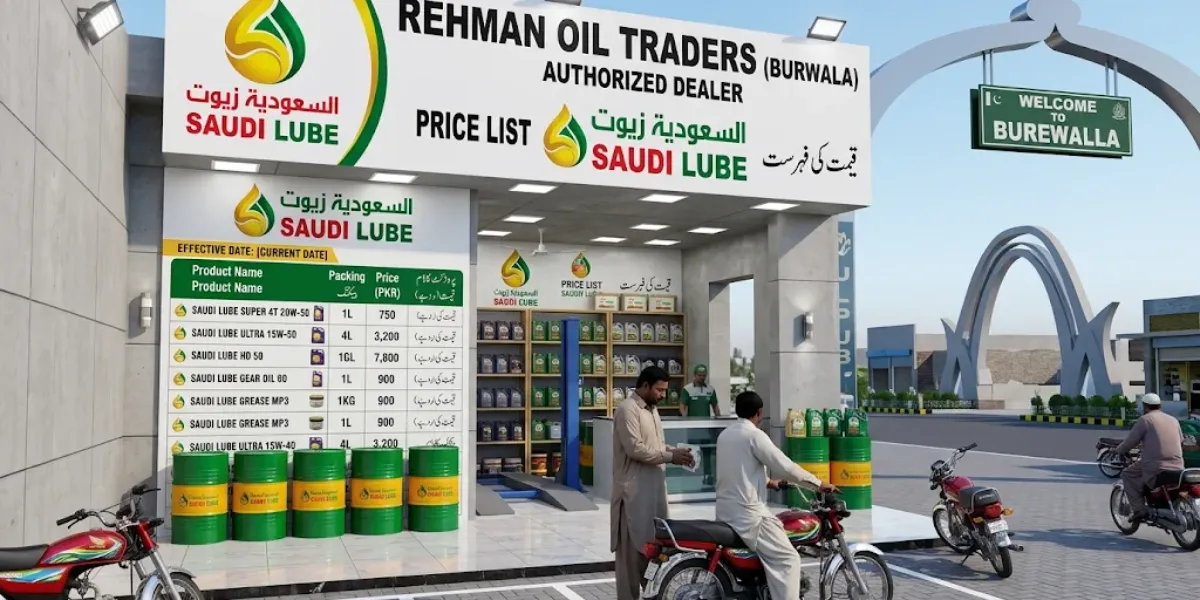
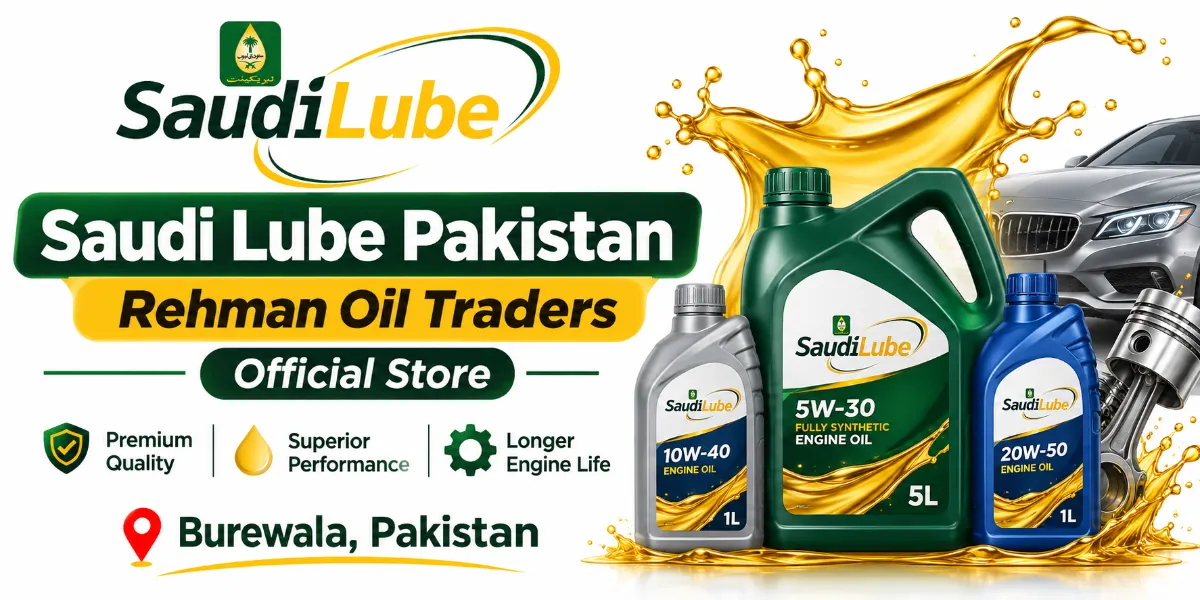
Saudi Lube offers different engine oil options for petrol, diesel and motorcycle applications. These products are available in different viscosity grades and performance classifications to address various lubrication requirements.
Saudi Lube petrol engine oil range
The listed petrol engine oil options include:
SL-GASO-1 – API SP, SAE 0W-20
SL-Gaso-5 – API SP, SAE 5W-30
SL-Gaso-4 – API SN, SAE 10W-40
SL-Gaso-3 – API SM, SAE 10W-30
Gasoline Engine Oil – API SG, SAE 20W-50
These products have different specifications. Customers should select the appropriate grade according to their vehicle manufacturer's recommendations.
Saudi Lube diesel engine oil range
The listed diesel engine oil options include:
SL-Diesel 6000 – API CI-4, SAE 15W-40
SL-Diesel 5000 – API CH-4, SAE 20W-50
SL-Diesel 4500 – API CF-4/SJ, SAE 20W-50
SL-Diesel 4000 – API CF, SAE 20W-50
SL-Diesel 3000 – API CE/SD, SAE 20W-50
SL-Diesel 2500 Plus – API CF, SAE 50
SL-Diesel 2500 – API SD/CD, SAE 50
SL-Diesel 2000 – API SC/CC, SAE 50
SL-Diesel 1000 – SAE 50
The available range includes options for different diesel engine applications. Always confirm compatibility with your engine before purchasing.
13. Why Regular Engine Oil Maintenance Matters
Regardless of whether you drive a petrol or diesel vehicle, regular engine oil maintenance is essential.
Engine oil gradually becomes contaminated during use. Heat, combustion by-products, dust and other particles can affect its condition over time.
Following the recommended oil change schedule helps maintain proper lubrication and protect important engine components.
Some useful maintenance practices include:
Check the oil level regularly.
Follow the manufacturer's recommended oil change interval.
Use the correct oil filter.
Look for oil leaks around the engine.
Monitor unusual engine noises.
Avoid mixing different oils unless compatibility is confirmed.
Use the correct oil grade and performance specification.
If you notice a sudden change in oil level, unusual engine noise, warning lights or visible leakage, have the vehicle inspected by a qualified mechanic.
Frequently Asked Questions
1. What is the main difference between petrol and diesel engine oil?
The main difference is their formulation and performance requirements. Diesel engines can produce more soot and may operate under heavier loads, so diesel engine oils are designed to address these conditions.
2. Can I use 20W-50 petrol oil in a diesel vehicle?
Only if the oil meets the diesel engine's required API classification and manufacturer specifications. The viscosity grade alone does not confirm suitability.
3. Is 15W-40 engine oil for petrol or diesel engines?
SAE 15W-40 is a viscosity grade, not an engine type classification. Its suitability depends on its API category and the manufacturer's requirements.
4. What does API CI-4 mean?
API CI-4 is a diesel engine oil service category associated with particular diesel engine performance requirements. Check whether it is appropriate for your engine.
5. What does API SP mean?
API SP is a petrol engine oil service category designed to address specified performance requirements for modern petrol engines.
6. Can one engine oil work for both petrol and diesel engines?
Yes. Some oils are formulated for both applications and carry the relevant petrol and diesel classifications. Check the product label and manufacturer requirements.
7. Does hot weather in Pakistan affect engine oil selection?
Ambient temperature is one consideration, but it does not determine the correct viscosity on its own. Follow the vehicle manufacturer's recommended viscosity grade and performance specifications.
8. Which engine oil should I choose for my vehicle?
Check your owner's manual for the recommended SAE viscosity, API classification and any additional manufacturer approvals. If you are unsure, consult a qualified mechanic or an experienced lubricant supplier.
About Saudi Lube – Rehman Oil Traders
Saudi Lube engine oils are available through Rehman Oil Traders in Pakistan.
Rehman Oil Traders provides information about Saudi Lube petrol engine oils, diesel engine oils, motorcycle engine oils and other lubricant categories. Customers can enquire about available products and select suitable options according to their vehicle or equipment requirements.
Whether you need engine oil for a petrol car, diesel vehicle, motorcycle, commercial fleet or agricultural machinery, the team can help you explore the available product range.
Contact Rehman Oil Traders
Brand: Saudi Lube
Business: Rehman Oil Traders
Location: Burewala, Punjab, Pakistan
Website: https://www.rehmanoiltraders.com
Phone / WhatsApp: +92 310 0068195
Email: contact@rehmanoiltraders.com