
Can You Use the Wrong Engine Oil in Your Vehicle?
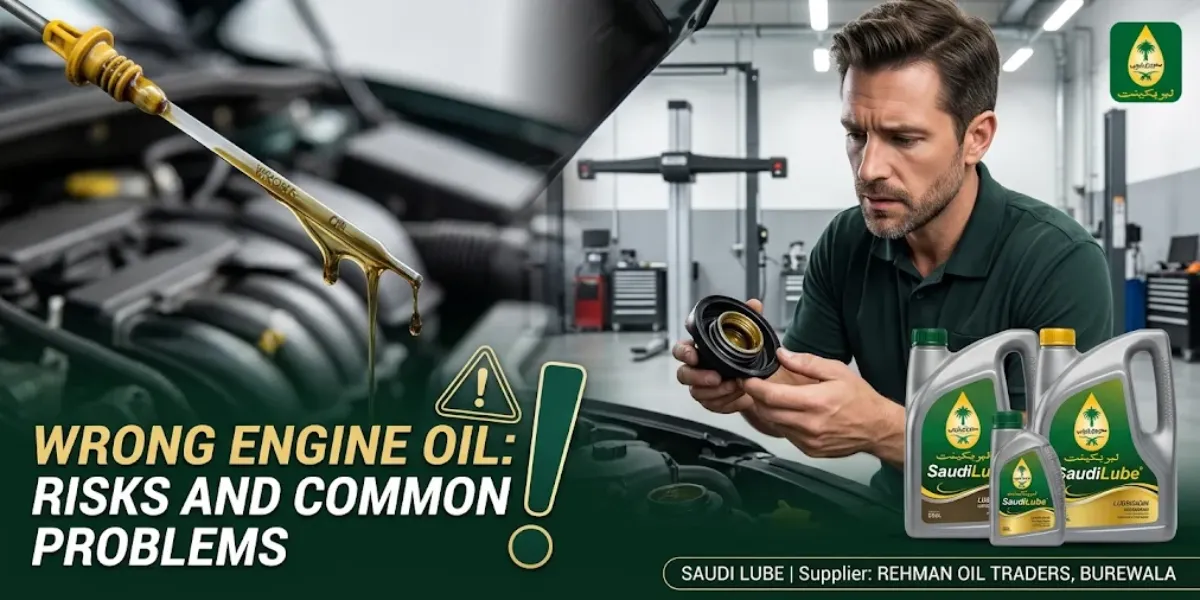
Engine oil plays an essential role in protecting your vehicle's engine, reducing friction, controlling heat and supporting smooth operation. Every engine is designed to work with specific lubrication requirements. These requirements may include a particular viscosity grade, performance classification and oil specification. Using an unsuitable engine oil can affect how effectively the engine is lubricated and, in some situations, may contribute to premature wear or mechanical problems.
Many vehicle owners select engine oil based only on its price, thickness or brand name. However, the correct choice should always depend on the manufacturer's recommendations and the vehicle's operating conditions. An oil that works well in one car, motorcycle or diesel engine may not be suitable for another.
Understanding the risks of using the wrong engine oil can help you avoid unnecessary maintenance expenses and protect your vehicle over the long term.
1. Why Does Your Vehicle Need the Correct Engine Oil?
Engine oil does much more than simply keep engine components slippery. During operation, multiple moving parts work together under high temperatures and pressure. Without suitable lubrication, these components can experience increased friction and wear.
The correct engine oil helps perform several important functions:
Reduces friction: Creates a lubricating film between moving engine components.
Controls engine temperature: Helps carry heat away from important internal parts.
Protects against wear: Reduces direct metal-to-metal contact during engine operation.
Keeps engine components cleaner: Helps suspend certain contaminants so they can be removed by the oil filter.
Provides corrosion protection: Helps protect internal metal surfaces from corrosion.
Supports smooth operation: Maintains suitable lubrication under different driving conditions.
An unsuitable oil may not provide the level of protection required by a particular engine. That is why checking the recommended oil grade and specifications is important before purchasing or using any product.
2. What Happens If You Use the Wrong Engine Oil?
The effects of incorrect engine oil depend on the difference between the oil selected and the manufacturer's requirements. A small specification mismatch may not produce immediate symptoms, while a significant mismatch can create serious lubrication problems.
Here are some possible consequences.
Reduced Lubrication
Engine oil must circulate through the engine and maintain a protective film between moving components. If the oil is unsuitable for the engine, it may not provide the expected lubrication under certain operating conditions.
Reduced lubrication can increase friction between components and contribute to wear over time. In severe situations, inadequate lubrication can result in major engine damage.
Difficult Cold Starting
Engine oil viscosity affects how easily it flows at different temperatures. If an oil is too thick for the conditions and engine design, it may circulate more slowly during cold starts.
This can delay lubrication reaching certain components after starting the engine. The correct viscosity helps the oil flow as intended under the temperature conditions specified by the vehicle manufacturer.
Increased Engine Noise
Unusual ticking, knocking or other mechanical noises can sometimes be associated with lubrication problems. Incorrect viscosity or an unsuitable oil specification may contribute to poor lubrication in certain engines.
However, engine noise can also result from low oil level, worn components, incorrect valve clearance or other mechanical faults. Changing the oil grade without identifying the actual cause may not solve the problem.
Increased Engine Wear
Engine components operate under continuous movement, pressure and heat. When lubrication is unsuitable, the protective oil film may not perform as expected.
Over time, this can contribute to increased wear in components such as bearings, camshafts and other moving parts. The severity depends on the engine, oil mismatch and driving conditions.
Possible Overheating Problems
Engine oil helps transfer heat away from certain internal components. If lubrication becomes less effective, friction and operating temperatures may increase.
However, engine overheating is usually associated with several possible causes, including cooling-system problems, low coolant, radiator faults or thermostat issues. Wrong engine oil should be considered as one possible contributing factor rather than the automatic explanation.
Reduced Engine Performance
An unsuitable oil may affect engine operation, especially when its viscosity or specifications differ significantly from the manufacturer's requirements.
Drivers may notice rough operation, unusual noise or other changes. These symptoms do not always mean the oil is responsible, so proper inspection is important.
3. Choosing the Wrong Viscosity Grade
Viscosity is one of the most important factors when selecting engine oil. It describes how easily oil flows at different temperatures.
You may see grades such as:
SAE 0W-20
SAE 5W-30
SAE 10W-30
SAE 10W-40
SAE 15W-40
SAE 20W-50
The first number, followed by W, indicates the oil's low-temperature viscosity performance. The second number represents its viscosity grade at higher operating temperatures under standard testing conditions.
For example, 5W-30 and 20W-50 are not interchangeable simply because both are engine oils. They have different viscosity characteristics and may be intended for different engine requirements.
Using an oil that is too thick or too thin can affect circulation, lubrication and engine operation. Always check the owner's manual before selecting a viscosity grade.
4. Why API Classification Matters
Apart from viscosity, engine oil must meet the performance requirements of the engine. The American Petroleum Institute (API) provides service classifications that help identify oil performance categories.
Examples of API gasoline engine oil classifications include:
API SP
API SN
API SM
API SG
Diesel engine oils may carry classifications such as:
API CI-4
API CH-4
API CF-4
API CF
These classifications are not simply different names for the same oil. They represent different performance requirements and application categories.
Using an oil with an unsuitable API classification may mean that the engine does not receive the performance level required by its manufacturer. Always confirm the recommended classification before making a purchase.
5. Using Petrol Engine Oil in a Diesel Engine
Petrol and diesel engines can have different lubrication requirements. Diesel engines may operate under different combustion conditions and can place different demands on engine oil.
Using petrol engine oil in a diesel vehicle without confirming its suitability can be a mistake. Some oils are formulated for particular engine types, while others carry specifications suitable for more than one application.
Before choosing an oil for a diesel vehicle, check:
The vehicle manufacturer's recommended viscosity.
The required diesel API classification.
Any additional manufacturer-specific approvals.
The vehicle's engine type and operating conditions.
For example, Saudi Lube offers diesel engine oil options with classifications including API CI-4, CH-4 and CF-4. The correct selection depends on the requirements of the particular diesel engine.
6. Using Car Engine Oil in a Motorcycle
Motorcycles require special attention when selecting engine oil. Some motorcycles use a shared lubrication system for the engine, gearbox and wet clutch.
In these motorcycles, the oil must meet the required motorcycle specifications and provide suitable clutch performance. An ordinary passenger-car engine oil may not be appropriate if it lacks the required wet-clutch compatibility.
Using unsuitable oil in a motorcycle may contribute to clutch slipping, poor gear shifting or other operating problems.
Before purchasing motorcycle engine oil, check:
The recommended SAE viscosity grade.
The manufacturer's required performance classification.
Whether the motorcycle uses a wet clutch.
Any required JASO specification, such as MA or MA2.
Do not assume that every car engine oil can be used in every motorcycle. Always confirm compatibility with the motorcycle manufacturer's recommendations.
7. Is Thicker Engine Oil Always Better?
One common misconception is that thicker engine oil always provides better engine protection. This is not necessarily true.
Some vehicle owners believe that using SAE 20W-50 instead of SAE 5W-30 will automatically improve protection, especially in hot weather or older vehicles. However, engine manufacturers design lubrication systems around specific viscosity requirements.
Oil that is too thick may circulate less easily under certain conditions. It can also affect how quickly lubrication reaches engine components during startup.
Similarly, oil that is too thin may not provide the required viscosity characteristics under the engine's operating conditions.
The best oil is not necessarily the thickest or thinnest option. It is the oil that meets the vehicle manufacturer's specifications.
8. Can Mixing Different Engine Oils Cause Problems?
Vehicle owners sometimes mix two engine oils when topping up the oil level. Although many modern engine oils are designed to meet industry standards, mixing products with different formulations or specifications is not automatically recommended.
Mixing oils may change the overall characteristics of the lubricant, and the resulting mixture may not meet the performance requirements of the engine.
If you need to top up your engine oil:
Check the vehicle manufacturer's recommended viscosity.
Confirm the required performance classification.
Use an oil that meets the same required specifications whenever possible.
Avoid mixing products if their compatibility is uncertain.
Consult a qualified mechanic if the correct product is unavailable.
If you accidentally mix two oils, do not immediately assume that the engine is damaged. The seriousness depends on the products involved, their specifications and the quantity mixed.
9. What Should You Do If You Have Used the Wrong Engine Oil?
If you discover that you have used an unsuitable engine oil, do not panic. The correct response depends on the type of mismatch and how long the vehicle has been operated with that oil.
Follow these steps:
Step 1: Identify the oil used
Check the product container, invoice or purchase record. Note its SAE viscosity grade and API classification.
Step 2: Check your vehicle requirements
Read the owner's manual or consult an authorised service centre to confirm the correct oil specifications.
Step 3: Assess the difference
Determine whether the oil has the wrong viscosity, an unsuitable performance classification or an application mismatch.
Step 4: Consult a qualified mechanic
Explain which oil was used and how long the vehicle has been running with it. A professional can advise whether immediate replacement or further inspection is necessary.
Step 5: Replace the oil if required
If the oil does not meet the vehicle's requirements, arrange an oil and filter change as recommended by a qualified professional.
If the oil pressure warning light appears, the engine makes severe unusual noises or you suspect a serious lubrication problem, stop the engine safely and seek professional assistance. Continuing to drive may increase the risk of damage.
10. How to Avoid Engine Oil Selection Mistakes
Choosing the correct engine oil does not have to be complicated. A few simple checks can help you make a better decision.
Read the vehicle owner's manual before purchasing engine oil.
Confirm the recommended SAE viscosity grade.
Check the required API classification and other specifications.
Select oil intended for your engine type.
Confirm wet-clutch compatibility for motorcycles where required.
Purchase from a reliable seller who can provide product information.
Avoid choosing oil only because it is cheaper or thicker.
Follow the recommended oil and filter replacement schedule.
Keep a record of the oil grade used during each service.
These steps can help reduce the risk of incorrect oil selection and support better engine maintenance.
11. Choosing the Right Saudi Lube Engine Oil
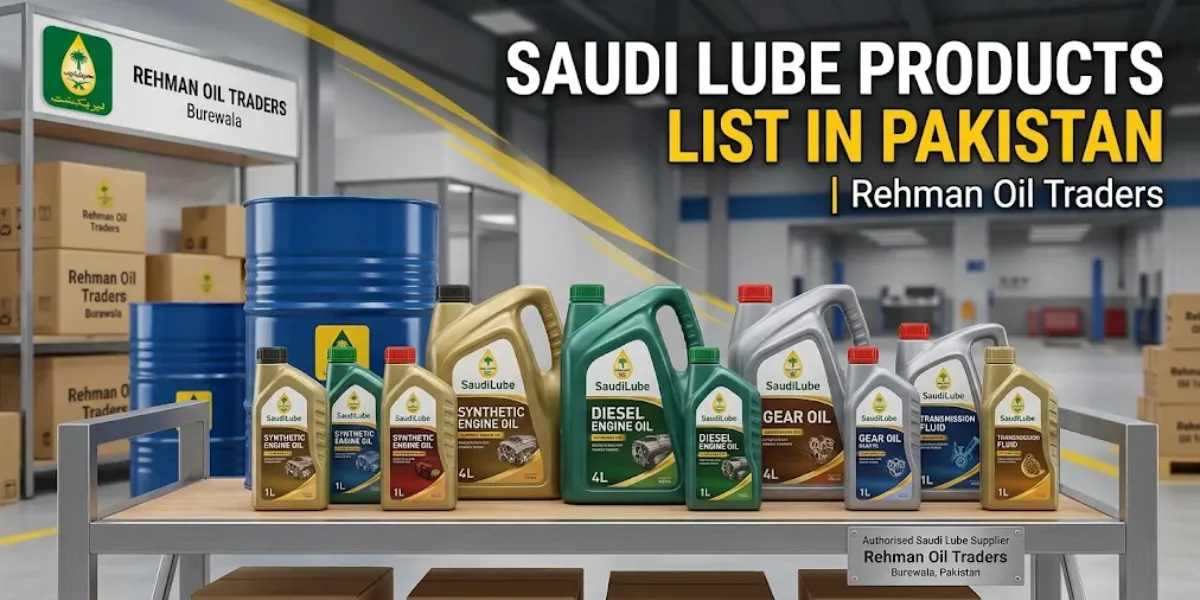
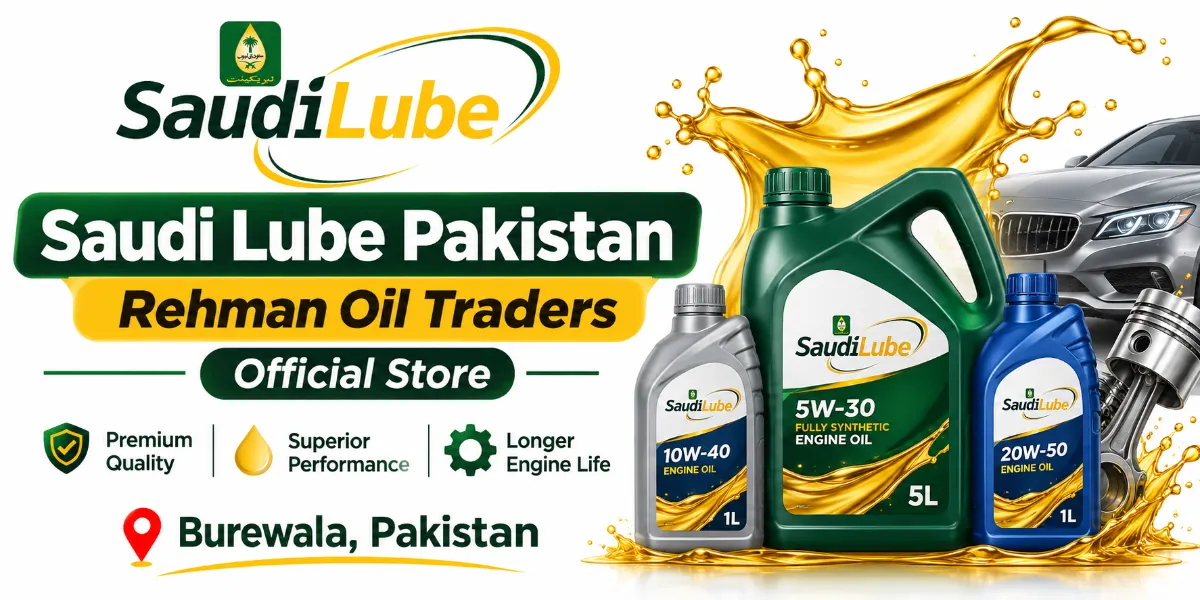
Saudi Lube offers engine oil options for different vehicle and equipment applications. Its range includes petrol engine oils, diesel engine oils and motorcycle engine oils.
Some available options include:
Petrol Engine Oil
SL-GASO-1 – API SP, SAE 0W-20
SL-Gaso-5 – API SP, SAE 5W-30
SL-Gaso-4 – API SN, SAE 10W-40
SL-Gaso-3 – API SM, SAE 10W-30
Gasoline Engine Oil – API SG, SAE 20W-50
Motorcycle Engine Oil
SL-Sumama – API SG, SAE 20W-50
SL-Sumama – API SF, SAE 20W-40
Diesel Engine Oil
SL-Diesel 6000 – API CI-4, SAE 15W-40
SL-Diesel 5000 – API CH-4, SAE 20W-50
SL-Diesel 4500 – API CF-4/SJ, SAE 20W-50
SL-Diesel 4000 – API CF, SAE 20W-50
SL-Diesel 3000 – API CE/SD, SAE 20W-50
These products are intended for different applications and specifications. Their suitability should always be checked against the requirements of your particular vehicle or equipment. If you are unsure which option to select, request product guidance before purchasing.
12. Frequently Asked Questions
Can the wrong engine oil damage a vehicle?
Yes. Using oil that does not meet the engine's requirements can affect lubrication and contribute to increased wear or mechanical problems. The risk depends on how different the oil is from the recommended specification and how long it is used.
Can I use 20W-50 instead of 10W-40?
Not automatically. These viscosity grades have different flow characteristics. Check your vehicle manufacturer's recommendations before changing grades.
Can I use diesel engine oil in a petrol car?
Only if the oil meets the petrol engine's required specifications and approvals. Do not assume that diesel engine oil is suitable for every petrol vehicle.
Can I use petrol engine oil in a diesel vehicle?
Only when the product meets the diesel engine's required performance specifications. Confirm the API classification and manufacturer's requirements first.
Can the wrong viscosity cause engine noise?
It may contribute to lubrication-related noise in some circumstances. However, unusual engine noise can have several causes and should be professionally inspected.
Should I change the oil immediately after using the wrong grade?
That depends on the mismatch and the vehicle's requirements. Consult a qualified mechanic to determine whether an immediate oil change is necessary.
Is expensive engine oil always better?
No. Price alone does not determine suitability. The most important factors are the correct viscosity, performance classification and manufacturer requirements.
How can I find the correct Saudi Lube oil for my vehicle?
Check your vehicle's owner's manual for the required specifications, then contact Rehman Oil Traders for information about available Saudi Lube options.
Saudi Lube – Available Through Rehman Oil Traders
Choosing the correct engine oil is an important part of vehicle maintenance. Whether you own a petrol car, diesel vehicle or motorcycle, selecting oil according to the manufacturer's recommended specifications can help support proper lubrication and reliable engine operation.
Rehman Oil Traders provides information about available Saudi Lube engine oil options for customers looking for suitable products for different applications.
Business: Rehman Oil Traders
Brand: Saudi Lube
Location: Burewala, Punjab, Pakistan
Website: https://www.rehmanoiltraders.com
Phone / WhatsApp: +92 310 0068195
Email: contact@rehmanoiltraders.com
For product availability, pricing and assistance with selecting an appropriate engine oil, contact Rehman Oil Traders.
Customers can also discuss warehouse collection. Delivery arrangements and charges depend on the order weight and delivery location.
Visit: https://www.rehmanoiltraders.com
Choose the correct engine oil, follow your vehicle manufacturer's recommendations and make informed decisions for better engine maintenance.