

Why Is My Motorcycle Losing Power? Common Causes, Symptoms and Solutions
A motorcycle that suddenly starts losing power can make everyday riding difficult and frustrating. You may notice that your bike takes longer to accelerate, struggles when climbing hills, feels weaker when carrying a passenger, or cannot maintain its normal speed. In some cases, the engine may also produce unusual sounds, vibrate more than usual, consume additional fuel, or become hotter during regular use.
Motorcycle power loss can happen gradually or appear suddenly. Sometimes the cause is a simple maintenance issue, such as a dirty air filter or worn spark plug. In other situations, the problem may involve fuel delivery, clutch performance, valve clearance, engine compression, or lubrication.
Engine oil plays an important role in protecting internal engine components, but it is not the only factor responsible for motorcycle performance. Identifying the actual cause is important before replacing parts or spending money on unnecessary repairs.
In this guide, we explain the common reasons why motorcycles lose power, what symptoms to look for, and which maintenance checks can help restore normal performance.
1. Dirty or Blocked Air Filter
A motorcycle engine needs a proper mixture of air and fuel to produce power. The air filter prevents dust, dirt and other particles from entering the engine. When the filter becomes excessively dirty or blocked, airflow may become restricted.
Insufficient airflow can affect combustion and reduce engine performance. You may notice slow acceleration, rough running, increased fuel consumption or difficulty reaching higher speeds.
This problem can be particularly common when motorcycles are regularly used on dusty roads or in areas with heavy traffic and pollution.
What should you do?
Inspect the air filter according to the manufacturer's service schedule.
Clean reusable filters using the recommended procedure.
Replace damaged or excessively dirty filters.
Avoid riding with a missing or improperly fitted air filter.
A clean air filter helps maintain proper airflow and supports efficient engine operation.
2. Fuel Supply Problems
If your motorcycle is not receiving the correct amount of fuel, its engine may struggle to produce normal power. Fuel delivery problems can develop because of a blocked fuel filter, dirty carburettor, clogged fuel injector, contaminated fuel or a restricted fuel line.
Motorcycles with carburettors may experience problems when small internal passages become blocked. Fuel-injected motorcycles can also develop performance issues if the injector or fuel delivery system is not working correctly.
Common symptoms include:
Engine hesitation during acceleration.
Difficulty starting the motorcycle.
Sudden power loss while riding.
Irregular engine operation.
Stalling at low speeds.
What should you check?
Have the fuel system inspected if the motorcycle continues to hesitate or lose power. Use suitable fuel and keep the fuel tank and related components clean. Avoid attempting complicated carburettor or fuel-injection repairs without the necessary experience.
3. Worn or Faulty Spark Plug
The spark plug is responsible for igniting the air-fuel mixture inside a petrol motorcycle engine. If the spark plug becomes worn, dirty or damaged, ignition may become inconsistent.
Weak or irregular ignition can cause incomplete combustion, misfiring and reduced engine performance. A motorcycle with a faulty spark plug may also become difficult to start or produce noticeable vibrations.
Possible warning signs:
Slow or difficult starting.
Engine misfires.
Poor acceleration.
Unusual engine vibration.
Reduced fuel efficiency.
Inspect the spark plug according to the manufacturer's recommendations. If it is worn, damaged or covered with deposits, replacement may be necessary. The correct spark plug type and gap should always follow the motorcycle manufacturer's specifications.
4. Incorrect Valve Clearance
Valve clearance is an important part of motorcycle engine operation. The valves control the movement of air and exhaust gases into and out of the combustion chamber.
If valve clearance becomes too tight or too loose, the engine may not operate efficiently. Incorrect clearance can affect compression, combustion and overall performance.
You might notice reduced power, unusual tapping noises, difficulty starting or irregular engine operation.
Valve clearance should be checked and adjusted according to the motorcycle manufacturer's service schedule. This is generally a job for a qualified mechanic because incorrect adjustment can create additional engine problems.
5. Clutch Slipping
Sometimes a motorcycle engine produces power normally, but that power does not transfer effectively to the rear wheel. One possible reason is a slipping clutch.
The clutch connects and disconnects engine power from the transmission. If its friction plates become worn or the clutch is incorrectly adjusted, the engine may rev higher without a matching increase in motorcycle speed.
Common signs of clutch slipping include:
Engine RPM increases but the motorcycle accelerates slowly.
Difficulty climbing hills.
Reduced pulling power.
Unusual clutch engagement.
Burning smell in severe cases.
If you notice these symptoms, have the clutch inspected. Worn clutch plates, incorrect adjustment or unsuitable engine oil may contribute to clutch-related problems on motorcycles with wet clutches.
Always use engine oil that meets the motorcycle manufacturer's required specifications, particularly its wet-clutch compatibility requirements.
6. Poor Engine Compression
Engine compression is essential for producing power. During the combustion process, the engine compresses the air-fuel mixture before ignition. If compression becomes too low, combustion efficiency and engine performance can suffer.
Low compression may result from worn piston rings, damaged cylinder walls, leaking valves, a damaged cylinder head gasket or other internal engine problems.
Possible symptoms include:
Weak acceleration.
Difficulty starting.
Reduced engine power.
Excessive exhaust smoke.
Increased oil consumption.
Unusual engine behaviour.
A compression test can help identify whether the engine is producing the required compression. If the results are below the manufacturer's specifications, further inspection by an experienced mechanic may be necessary.
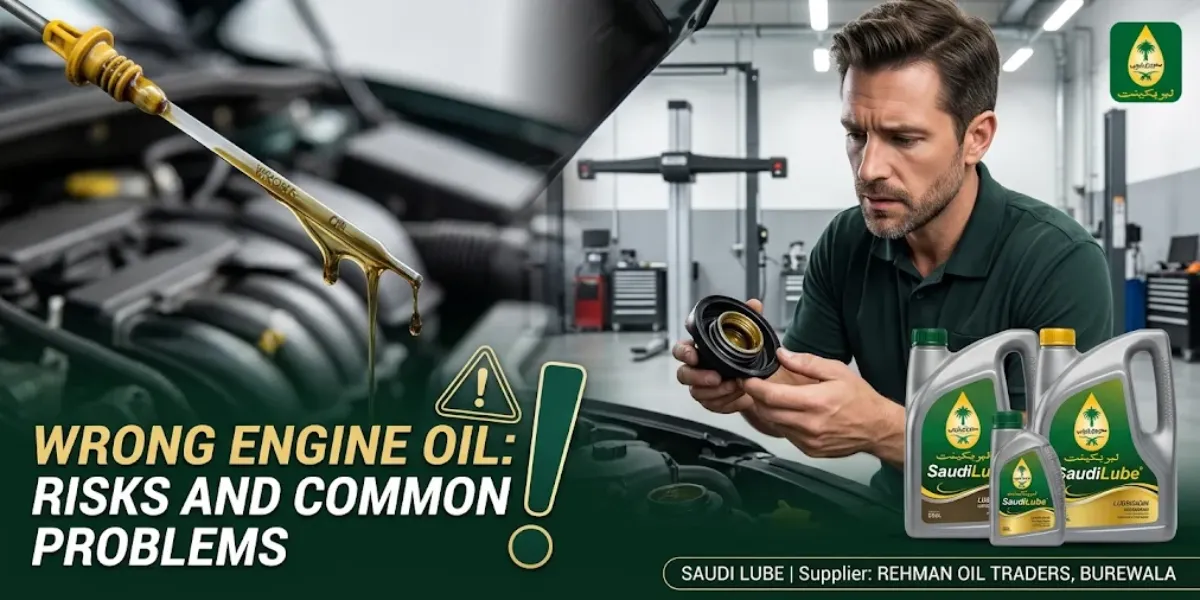
7. Incorrect or Unsuitable Engine Oil
Engine oil does more than simply lubricate motorcycle components. It helps reduce friction, manage heat, protect internal parts against wear and support smooth engine operation.
Using an unsuitable oil grade or delaying oil changes can affect engine protection. Old, contaminated or insufficient oil may not provide the lubrication required by the engine.
In motorcycles with shared engine and transmission lubrication, the correct oil specification is particularly important because the same oil may also lubricate the wet clutch.
How can unsuitable oil affect performance?
Increased friction between moving components.
Reduced protection against engine wear.
Poor lubrication during operation.
Potential clutch engagement or slipping issues if the oil is unsuitable.
Increased risk of engine damage when oil levels are too low.
To avoid these problems, check your motorcycle owner's manual and select oil with the recommended viscosity and performance specifications.
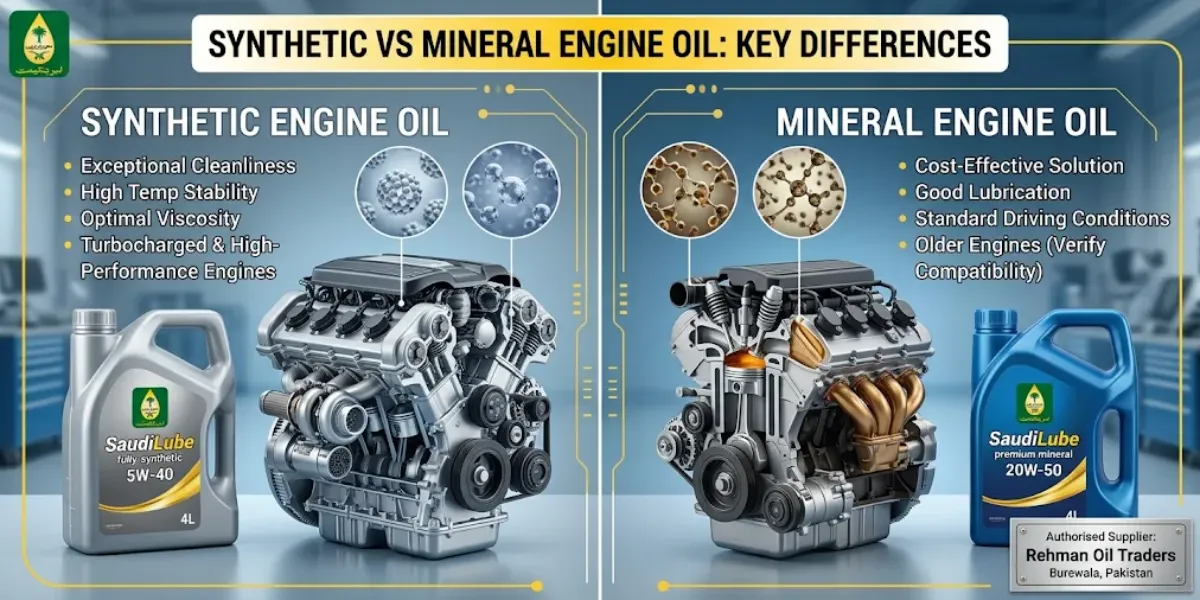
Saudi Lube offers motorcycle engine oil options, including:
SL-Sumama API SG SAE 20W-50
SL-Sumama API SF SAE 20W-40
These are available product options, but the correct selection depends on your motorcycle manufacturer's recommendations, operating conditions and required oil specifications.
8. Blocked Exhaust System
The exhaust system allows burnt gases to leave the engine. If the exhaust becomes restricted because of carbon deposits, physical damage or an internal blockage, the engine may struggle to release exhaust gases properly.
This can affect engine breathing and reduce performance, particularly at higher RPM.
Possible symptoms include weak acceleration, unusual exhaust sounds, reduced top speed and excessive engine heat.
If you suspect an exhaust restriction, have the exhaust system inspected by a qualified mechanic. Avoid removing or modifying exhaust components without considering safety, noise regulations and the manufacturer's recommendations.
9. Overheating and Poor Cooling
Excessive engine heat can also contribute to poor motorcycle performance. When an engine operates outside its intended temperature range, its efficiency and reliability may be affected.
Air-cooled motorcycles depend on airflow around the engine to remove heat. Liquid-cooled motorcycles use a cooling system that includes coolant, a radiator and related components.
Common causes of overheating include:
Low or unsuitable engine oil.
Blocked cooling passages.
Poor airflow around the engine.
Low coolant in liquid-cooled motorcycles.
Cooling fan or radiator problems.
Incorrect engine tuning.
If your motorcycle frequently overheats, do not ignore the warning signs. Stop riding when necessary and allow the engine to cool safely. Never open a hot radiator cap. Have the cooling system and engine inspected before continuing regular use.
10. Incorrect Tyre Pressure and Mechanical Resistance
Not every motorcycle performance problem comes from the engine. Incorrect tyre pressure, dragging brakes, worn wheel bearings or chain problems can make a motorcycle feel slower and less responsive.
For example, underinflated tyres increase rolling resistance. This can make the motorcycle harder to accelerate and may increase fuel consumption.
A chain that is excessively tight, poorly lubricated or badly worn can also affect smooth power transfer.
Basic checks include:
Maintain tyre pressure according to the manufacturer's recommendation.
Inspect the drive chain for wear and correct adjustment.
Keep the chain properly lubricated.
Check whether the brakes are dragging.
Inspect the wheels for unusual resistance or bearing noise.
These simple checks can help identify problems that might otherwise be mistaken for engine power loss.
What Should You Check First When Your Motorcycle Loses Power?
Before replacing expensive components, start with basic maintenance and inspection. Some performance problems can be identified through routine checks.
Consider the following checklist:
Check engine oil: Confirm that the oil level is correct and the oil is suitable for your motorcycle.
Inspect the air filter: Look for dust, dirt, damage or restricted airflow.
Check the spark plug: Look for wear, deposits or signs of ignition problems.
Inspect fuel delivery: Check for fuel leaks, blocked filters or carburettor and injector problems.
Check the clutch: Notice whether engine RPM rises without a matching increase in speed.
Inspect the chain and tyres: Confirm correct chain adjustment and tyre pressure.
Review maintenance history: Check whether scheduled servicing has been delayed.
If these basic checks do not solve the problem, ask a qualified mechanic to inspect valve clearance, engine compression, ignition timing and other mechanical components.
How Regular Maintenance Helps Prevent Motorcycle Power Loss
Regular motorcycle maintenance can help prevent many problems before they become expensive repairs. Following the manufacturer's service schedule is one of the most effective ways to maintain reliable performance.
Important maintenance practices include:
Change engine oil at the recommended intervals.
Use the correct oil grade and specification.
Clean or replace the air filter when required.
Inspect and replace worn spark plugs.
Maintain correct tyre pressure.
Keep the chain clean, lubricated and correctly adjusted.
Check brakes and other mechanical components.
Address unusual noises, smoke or vibrations promptly.
Do not wait until the motorcycle starts losing significant power before arranging maintenance. Small problems can become more serious if ignored.
Choosing the Right Motorcycle Engine Oil
Selecting suitable engine oil is an important part of motorcycle maintenance. However, the most expensive oil or the highest viscosity grade is not automatically the best choice for every motorcycle.
Always consider the following factors:
1. Recommended viscosity: Check the owner's manual for the correct SAE grade, such as 20W-40 or 20W-50, where specified.
2. API performance category: Make sure the oil meets the required performance classification for your motorcycle.
3. Wet-clutch compatibility: If your motorcycle uses a wet clutch, choose oil that meets the manufacturer's clutch compatibility requirements. Do not assume that every automotive engine oil is suitable.
4. Riding conditions: Frequent short journeys, heavy traffic, long-distance riding and high temperatures may influence maintenance requirements.
5. Oil change schedule: Follow the service intervals recommended by the manufacturer.
Choosing the correct oil helps support engine lubrication and protection, but it cannot repair worn internal components, blocked fuel systems or faulty ignition parts.
Frequently Asked Questions
Why is my motorcycle losing power during acceleration?
Possible causes include a dirty air filter, fuel delivery problems, a worn spark plug, incorrect valve clearance, clutch slipping or low engine compression. Proper inspection is needed to identify the exact problem.
Can old engine oil make a motorcycle lose power?
Yes, degraded or unsuitable engine oil can affect lubrication and increase friction. However, power loss can have several other causes, so changing the oil may not resolve the underlying problem.
Will changing motorcycle engine oil restore lost power?
Not always. If the problem is related to lubrication or unsuitable oil, changing to the correct oil may help. However, problems involving fuel delivery, ignition, compression or the clutch require separate attention.
Why does my motorcycle struggle when climbing hills?
A motorcycle may struggle uphill because of reduced engine power, clutch slipping, fuel supply problems, low compression or excessive mechanical resistance. A mechanic can inspect the engine and transmission to identify the cause.
Does a dirty air filter reduce motorcycle performance?
Yes. A heavily blocked air filter can restrict airflow and affect the air-fuel mixture, potentially reducing acceleration and engine performance.
How often should motorcycle engine oil be changed?
The correct oil change interval depends on the motorcycle model, engine design, oil specification and riding conditions. Follow the manufacturer's recommended service schedule rather than using one fixed interval for every motorcycle.
Saudi Lube Motorcycle Engine Oil – Rehman Oil Traders
Proper lubrication is an important part of maintaining motorcycle engine performance and protecting internal components against unnecessary wear. Selecting the correct engine oil and following regular maintenance schedules can help support reliable operation.
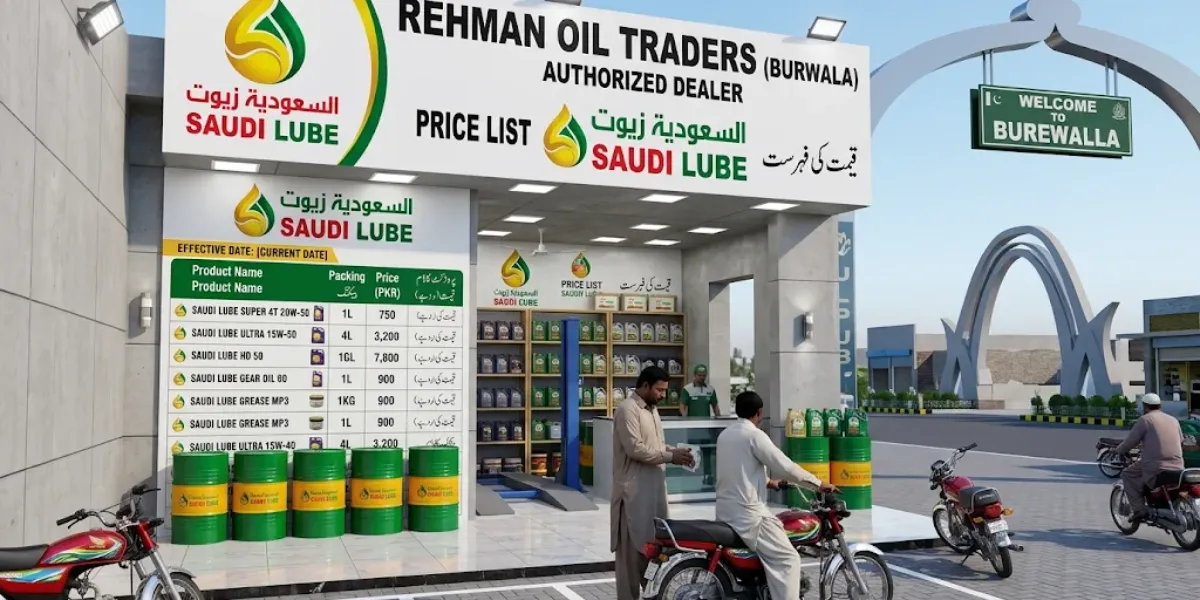
Saudi Lube, available through Rehman Oil Traders, offers motorcycle engine oil options for customers looking for lubrication products for their bikes.
Available motorcycle engine oil options include:
SL-Sumama API SG SAE 20W-50
SL-Sumama API SF SAE 20W-40
Before selecting an oil, customers should confirm that its viscosity and performance specifications meet their motorcycle manufacturer's requirements.
Contact Rehman Oil Traders
Business Name: Rehman Oil Traders
Brand: Saudi Lube
Location: Burewala, Punjab, Pakistan
Website: https://www.rehmanoiltraders.com
Phone / WhatsApp: +92 310 0068195
Email: contact@rehmanoiltraders.com
For product availability, pricing and order enquiries, contact Rehman Oil Traders. Delivery arrangements and charges may vary depending on the order weight and delivery location. Customers can also contact the business to discuss collecting their orders from the warehouse.
Visit www.rehmanoiltraders.com to explore available Saudi Lube products and contact Rehman Oil Traders.
Keep your motorcycle properly maintained, choose the correct engine oil, and investigate power loss early to help keep your bike running reliably.