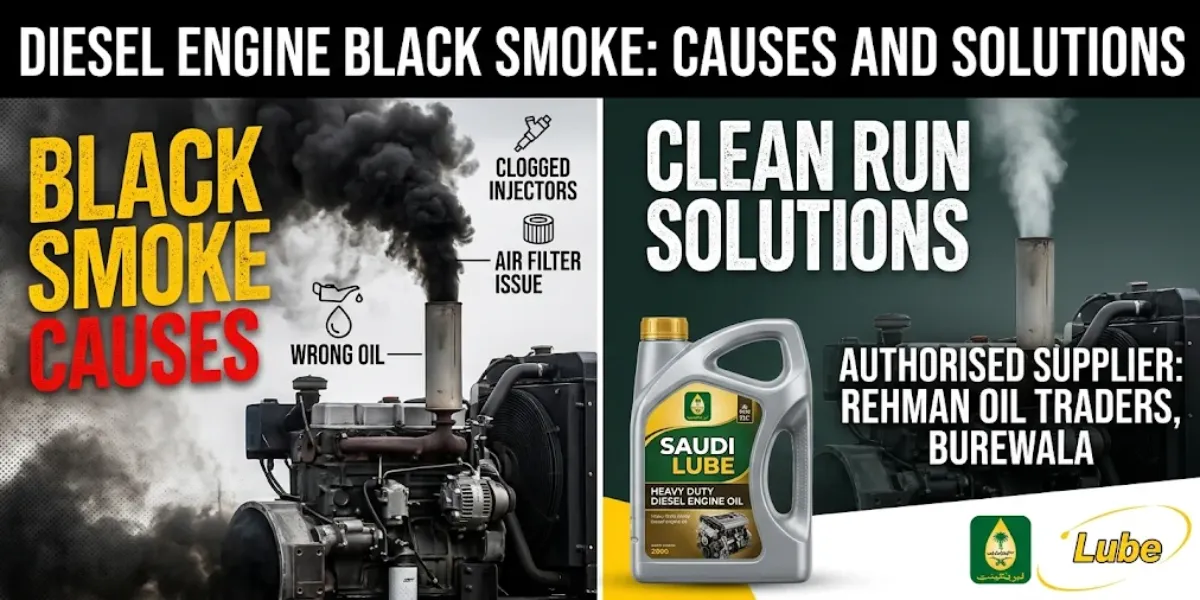

Why Does a Diesel Engine Produce Black Smoke?
Black smoke coming from a diesel engine's exhaust can be a sign that the engine is not burning fuel efficiently. While a small amount of smoke may sometimes appear during hard acceleration in certain older diesel vehicles, continuous or excessive black smoke should never be ignored. It can indicate problems with the air intake, fuel injection system, turbocharger, engine tuning or other important components.
Diesel engines are widely used in cars, pickup trucks, buses, tractors, trucks and heavy commercial vehicles because they provide strong pulling power and are suitable for demanding workloads. However, like every engine, a diesel engine requires regular maintenance, clean air, a properly functioning fuel system and suitable engine lubrication to operate efficiently.
If your diesel vehicle has started producing black smoke, understanding the possible causes can help you identify the problem before it develops into a more expensive repair.
1. What Does Black Smoke From a Diesel Engine Mean?
Black smoke generally consists of soot particles produced when diesel fuel does not burn completely during combustion. A diesel engine needs the correct balance of fuel and air to produce efficient combustion.
When too much fuel is injected relative to the available air, or when the air supply is restricted, some of the fuel may not burn completely. This can result in visible black smoke from the exhaust.
The amount of smoke can vary depending on engine condition, load, acceleration, fuel delivery and maintenance history.
For example, a heavily loaded truck climbing a hill may behave differently from a diesel car travelling at a steady speed. However, if black smoke continues during normal driving, the vehicle should be inspected.
2. Common Causes of Black Smoke From Diesel Engines
Several mechanical and maintenance-related problems can cause black exhaust smoke. The following are some of the most common reasons.
Dirty or Blocked Air Filter
A diesel engine requires a continuous supply of clean air. The air filter prevents dust, dirt and other particles from entering the engine.
Over time, the filter collects contaminants and can become restricted. When airflow decreases, the engine may not receive enough oxygen to burn the injected fuel efficiently.
Possible symptoms include:
Black smoke during acceleration.
Reduced engine performance.
Sluggish acceleration.
Increased fuel consumption.
Difficulty maintaining power under load.
Checking the air filter regularly is an important part of diesel vehicle maintenance. Replace it according to the manufacturer's recommended service interval or sooner if operating conditions are particularly dusty.
Faulty Fuel Injectors
Fuel injectors deliver diesel fuel into the combustion chambers in a carefully controlled spray pattern. They play an important role in achieving efficient combustion.
If an injector becomes worn, dirty, blocked or damaged, it may not deliver fuel correctly. Poor fuel atomisation or excessive fuel delivery can contribute to incomplete combustion and black smoke.
Other possible symptoms include rough engine operation, unusual engine noise, reduced power and increased fuel consumption.
A qualified mechanic can inspect the injection system and determine whether cleaning, testing or replacement is necessary.
Incorrect Fuel Delivery
The fuel injection pump and associated components regulate how much diesel enters the engine and when it is delivered.
If the fuel delivery system is not operating correctly, the engine may receive more fuel than it can burn efficiently under certain conditions.
Incorrect fuel delivery can result from worn components, incorrect adjustments, faulty sensors or problems with the injection system.
Avoid making random adjustments to the fuel pump or engine settings. Incorrect tuning can affect engine performance, fuel economy and emissions.
Turbocharger or Boost System Problems
Many modern diesel engines use turbochargers to increase the amount of air entering the engine. This additional air helps the engine burn fuel efficiently and produce more power.
If the turbocharger is damaged or the boost system has a leak, the engine may receive less air than expected.
Possible causes include:
Damaged turbocharger components.
Leaking intercooler pipes.
Loose air intake connections.
Faulty boost-control components.
Restricted intake passages.
A reduction in boost pressure can contribute to black smoke, especially when accelerating or driving under heavy load.
If black smoke appears together with a noticeable loss of power, have the turbocharger and intake system inspected.
Exhaust Gas Recirculation (EGR) Problems
Some diesel engines use an Exhaust Gas Recirculation (EGR) system to reduce nitrogen oxide emissions. It works by directing a controlled amount of exhaust gas back into the engine's intake.
Over time, carbon deposits can accumulate inside the EGR valve and related passages. If the valve becomes stuck or the system stops functioning correctly, it may affect engine airflow and combustion.
Depending on the vehicle, EGR problems can contribute to poor performance, rough running and excessive exhaust smoke.
A technician should inspect the EGR system and repair the underlying fault rather than simply disabling emissions equipment.
Incorrect Engine Tuning
Engine tuning determines how different systems work together, including fuel injection timing, fuel quantity and air supply.
Incorrect adjustments can create an imbalance between fuel delivery and available air. This may increase soot production and cause black smoke.
This problem can sometimes occur after modifications, repairs or adjustments to the fuel injection system.
Always ensure that engine settings follow the manufacturer's specifications. Professional diagnosis is preferable to trial-and-error adjustments.
Worn Engine Components
As a diesel engine accumulates mileage and operating hours, internal components can gradually wear.
Problems involving piston rings, cylinders, valves or other mechanical components may affect compression and combustion efficiency. Depending on the fault, the engine may produce excessive smoke and lose performance.
Other warning signs may include:
Reduced engine power.
Difficult starting.
Increased oil consumption.
Unusual engine noises.
Poor fuel economy.
A compression test and further mechanical inspection may be required to identify the exact cause.
3. Why Does Black Smoke Increase During Acceleration?
Some diesel engines produce more visible smoke when the accelerator is pressed, particularly under heavy load.
During acceleration, the engine may increase fuel delivery to produce additional power. If the air supply and fuel delivery are not properly balanced, more soot can form.
A small, brief puff may occur in some older diesel engines. However, heavy black smoke during ordinary acceleration can indicate an air intake restriction, injector problem, turbocharger fault or incorrect fuel delivery.
If the smoke is becoming more frequent or is accompanied by reduced performance, arrange an inspection rather than assuming it is normal.
4. Can a Dirty Air Filter Increase Diesel Fuel Consumption?
Yes. A restricted air filter can reduce the amount of air entering the engine and may contribute to inefficient combustion.
When the engine cannot receive sufficient air, it may produce less power and more visible soot. The driver may then press the accelerator harder to achieve the desired performance.
This can contribute to increased fuel consumption, although other problems may also be responsible.
For vehicles operating in dusty environments, particularly agricultural areas, construction sites and rural roads, air filter inspections are especially important.
5. Can Engine Oil Cause Black Smoke?
Engine oil is not normally the first component to investigate when a diesel engine produces black smoke.
Black smoke is more commonly associated with incomplete fuel combustion, excessive fuel delivery or insufficient air supply.
Oil-related problems can produce different symptoms. For example, burning engine oil is commonly associated with blue or bluish-grey exhaust smoke, although smoke colour is not a reliable diagnosis on its own.
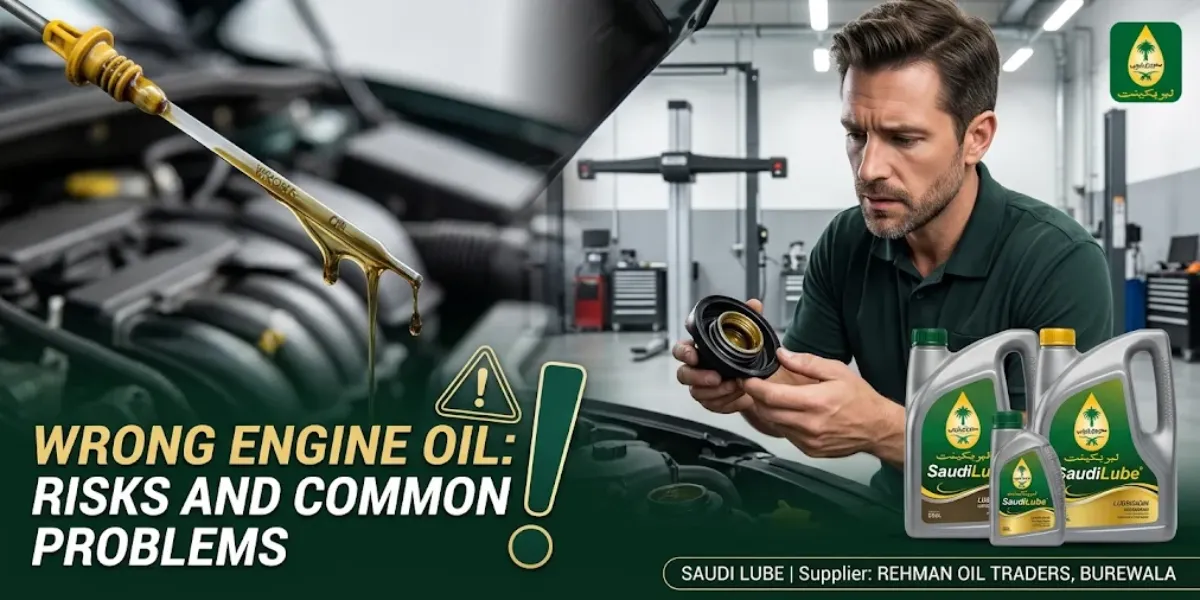
Engine oil still plays an essential role in diesel engine maintenance. It lubricates moving components, helps reduce friction, carries contaminants and supports engine protection under operating temperatures and loads.
Using the correct diesel engine oil grade and specification helps maintain suitable lubrication. However, changing the engine oil will not repair a blocked air filter, faulty injector, damaged turbocharger or incorrect fuel delivery system.
6. How to Reduce Black Smoke From a Diesel Engine
The correct solution depends on the actual cause. Replacing parts without diagnosis can waste money and may leave the original problem unresolved.
Consider the following maintenance steps:
Inspect and Replace the Air Filter
Check whether the air filter is dirty, damaged or restricted. Replace it when necessary using a suitable filter for your vehicle.
Check the Fuel Injection System
Have the injectors and fuel delivery system inspected if you notice excessive smoke, rough running or reduced engine performance.
Inspect Turbocharger and Intake Pipes
Check for damaged pipes, loose connections, air leaks and turbocharger problems. A professional inspection can identify boost-related faults.
Maintain the EGR System
If your vehicle is equipped with an EGR system, ensure that it is operating correctly. Carbon deposits and valve problems should be addressed according to the manufacturer's service recommendations.
Use Suitable Diesel Engine Oil
Select engine oil according to the manufacturer's recommended viscosity and performance specification. Different diesel engines have different lubrication requirements.
Follow Regular Maintenance Intervals
Regular servicing helps identify problems before they become more serious. Keep records of oil changes, filter replacements, fuel system inspections and other maintenance work.
7. Why Is Regular Diesel Engine Oil Maintenance Important?
Diesel engines often operate under demanding conditions, especially in commercial vehicles, agricultural machinery and heavy-duty transportation.
Engine oil helps protect important internal components by reducing friction and wear. It also assists with heat management and carries contaminants towards the oil filter.
Over time, engine oil can deteriorate because of heat, oxidation, contamination and normal engine operation. If oil is not changed according to the manufacturer's recommendations, its ability to protect engine components may be reduced.
For this reason, diesel vehicle owners should pay attention to:
Recommended oil viscosity.
Required API performance category.
Manufacturer service recommendations.
Correct oil quantity.
Oil filter condition.
Regular oil change intervals.
Do not select engine oil based only on its thickness or price. Always check the specifications required by your particular engine.
8. Which Saudi Lube Diesel Engine Oils Are Available?
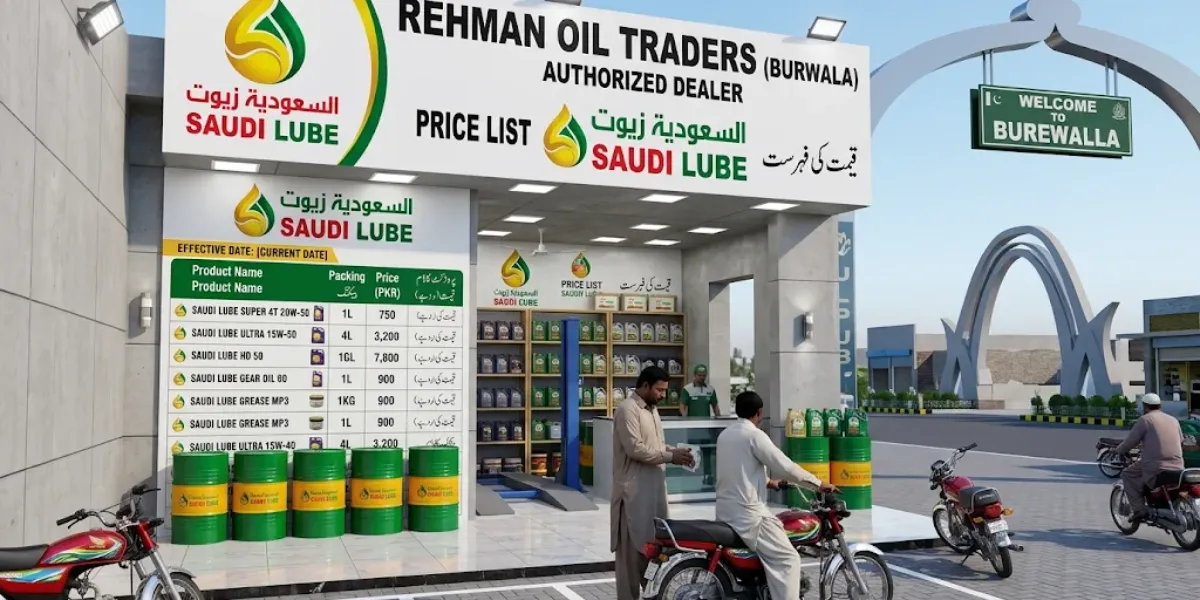
Saudi Lube offers several diesel engine oil options through Rehman Oil Traders. The available range includes different viscosity grades and API classifications for different diesel engine applications.
Some listed options include:
SL-Diesel 6000: API CI-4, SAE 15W-40.
SL-Diesel 5000: API CH-4, SAE 20W-50.
SL-Diesel 4500: API CF-4/SJ, SAE 20W-50.
SL-Diesel 4000: API CF, SAE 20W-50.
SL-Diesel 3000: API CE/SD, SAE 20W-50.
SL-Diesel 2500 Plus: API CF, SAE 50.
SL-Diesel 2500: API SD/CD, SAE 50.
SL-Diesel 2000: API SC/CC, SAE 50.
SL-Diesel 1000: SAE 50.
These products have different specifications and are not interchangeable for every engine. Always compare the oil's specifications with your vehicle manufacturer's requirements before purchasing.
For suitable options, product availability and current pricing, contact Rehman Oil Traders.
9. When Should You Take Your Diesel Vehicle to a Mechanic?
Do not delay professional inspection if your diesel engine produces continuous or unusually heavy black smoke.
Arrange a mechanical inspection if you notice any of the following:
Black smoke continues during normal driving.
Engine power has noticeably decreased.
Fuel consumption has increased unexpectedly.
The engine produces unusual knocking or other noises.
The turbocharger makes unusual sounds.
The vehicle struggles during acceleration.
Warning lights appear on the dashboard.
If the engine is overheating, loses significant power or develops severe abnormal noises, stop driving when it is safe to do so and seek professional assistance.
Early diagnosis can help prevent further damage and unnecessary repair expenses.
10. Frequently Asked Questions About Diesel Engine Black Smoke
Q1. Is black smoke from a diesel engine normal?
A small amount of temporary smoke may occur under certain conditions, particularly in some older diesel engines. However, persistent or excessive black smoke is not something to ignore. It may indicate an air intake, fuel injection, turbocharger or engine problem.
Q2. Can a dirty air filter cause black smoke?
Yes. A restricted air filter can reduce the airflow available for combustion. This may result in incomplete fuel burning, increased soot and reduced engine performance.
Q3. Does black smoke mean diesel injectors are faulty?
Not necessarily. Faulty injectors are one possible cause, but air filter restrictions, turbocharger problems, incorrect fuel delivery and other mechanical faults can produce similar symptoms. Proper diagnosis is important.
Q4. Will changing engine oil stop black smoke?
Not necessarily. Black smoke is commonly associated with fuel and air system problems. Changing engine oil will not resolve these faults unless an oil-related mechanical issue is also involved.
Q5. Can a turbocharger problem produce black smoke?
Yes. A damaged turbocharger or leaking boost system can reduce the amount of air entering the engine. This may affect combustion and contribute to black exhaust smoke.
Q6. Does black smoke increase diesel consumption?
It can be associated with inefficient combustion and excessive fuel delivery, which may increase fuel consumption. However, the actual cause should be identified through inspection.
Q7. Which engine oil should I use in my diesel vehicle?
The correct oil depends on the engine design, manufacturer's recommendations, required API category and viscosity grade. Check your owner's manual before selecting an engine oil.
11. About Saudi Lube and Rehman Oil Traders
Regular maintenance is essential for keeping diesel engines operating reliably. Paying attention to air filters, fuel injectors, turbocharger condition and engine lubrication can help vehicle owners identify problems and maintain their vehicles more effectively.
Saudi Lube offers a range of diesel engine oils for different applications. Through Rehman Oil Traders, customers can enquire about available Saudi Lube products and suitable options for their vehicles and equipment.
Whether you operate a diesel car, pickup, tractor, truck or commercial vehicle, choosing engine oil according to the manufacturer's specifications is an important part of responsible maintenance.
Contact Rehman Oil Traders
Business Name: Rehman Oil Traders
Brand: Saudi Lube
Location: Burewala, Punjab, Pakistan
Website: https://www.rehmanoiltraders.com
Phone / WhatsApp: +92 310 0068195
Email: contact@rehmanoiltraders.com
For product enquiries, bulk orders and delivery arrangements, contact Rehman Oil Traders. Delivery arrangements and charges depend on the order weight and destination. Customers can also contact the business to discuss collection from the warehouse.
Explore Saudi Lube diesel engine oil products:
https://www.rehmanoiltraders.com/
Choose the correct engine oil, follow your vehicle's maintenance schedule and investigate unusual exhaust smoke early to help maintain diesel engine performance.