
What Causes Low Engine Oil Pressure in a Vehicle?
Engine oil pressure is one of the most important factors in keeping a vehicle's engine operating smoothly. Engine oil does more than simply lubricate moving components. It circulates through the engine to reduce friction, control heat, protect metal surfaces and help prevent premature wear. For this lubrication system to work properly, the oil must circulate at the correct pressure.
When engine oil pressure drops below the level recommended by the vehicle manufacturer, important components may not receive enough lubrication. This can lead to increased friction, overheating, unusual engine noises and, in severe cases, major engine damage.
Low engine oil pressure is a problem that should never be ignored. Whether you drive a petrol car, diesel vehicle or motorcycle, understanding its causes and warning signs can help you take action before a minor issue becomes an expensive repair.
What Is Engine Oil Pressure?
Engine oil pressure refers to the force that pushes engine oil through the lubrication system. The oil pump draws oil from the sump and circulates it through different engine passages, delivering lubrication to components such as bearings, crankshaft, camshaft, pistons and other moving parts.
The correct oil pressure depends on several factors, including engine design, oil temperature, engine speed, oil viscosity and the condition of internal engine components.
When everything is working correctly, oil circulates throughout the engine and forms a protective film between moving metal surfaces. If pressure becomes too low, this protective lubrication may become insufficient.
It is important to understand that oil pressure and oil level are not the same thing. A vehicle can have an acceptable oil level but still experience low oil pressure because of a damaged oil pump, worn bearings, a blocked oil passage or another mechanical fault.
Common Causes of Low Engine Oil Pressure
There are several reasons why an engine may develop low oil pressure. Some problems are relatively simple to correct, while others require professional mechanical inspection.
1. Low Engine Oil Level
One of the most common causes of low oil pressure is insufficient engine oil.
The oil pump needs an adequate supply of oil to circulate it throughout the engine. When the oil level becomes too low, the pump may struggle to draw enough oil from the sump. This can interrupt oil circulation and cause pressure to drop.
Low oil levels may result from:
Delayed engine oil replacement.
Oil leakage from the engine.
Worn piston rings or valve seals.
Excessive oil consumption.
Incorrect oil filling during maintenance.
Checking the engine oil level regularly is a simple way to identify this problem. Always follow the vehicle manufacturer's recommended procedure for checking the oil.
If the level is below the recommended range, use the correct engine oil and quantity specified for your vehicle. However, if the warning light remains on after correcting the level, further inspection is necessary.
2. Faulty or Worn Oil Pump
The oil pump is responsible for circulating engine oil under pressure. If the pump becomes damaged or worn, it may not deliver the required oil flow.
An oil pump can develop problems because of internal wear, damaged components, contamination or prolonged operation under poor lubrication conditions.
Possible warning signs include:
Oil pressure warning light.
Unusual ticking or knocking sounds.
Low oil pressure readings.
Increased engine noise, particularly during operation.
A faulty oil pump usually requires mechanical inspection and may need replacement. Simply adding more oil will not repair a damaged pump.
3. Worn Engine Bearings
Engine bearings support important rotating components, including the crankshaft and connecting rods. They require a continuous supply of pressurised oil to maintain a protective lubrication film.
As an engine accumulates mileage, bearings can gradually wear. Excessive bearing clearance may allow oil to escape more easily through internal gaps, reducing the pressure within the lubrication system.
This condition can become serious if ignored.
Common symptoms may include:
Persistent low oil pressure.
Deep knocking sounds from the engine.
Increased engine vibration.
Metal particles in drained engine oil.
Worn bearings are an internal mechanical problem and require professional diagnosis. In some cases, engine repair or rebuilding may be necessary.
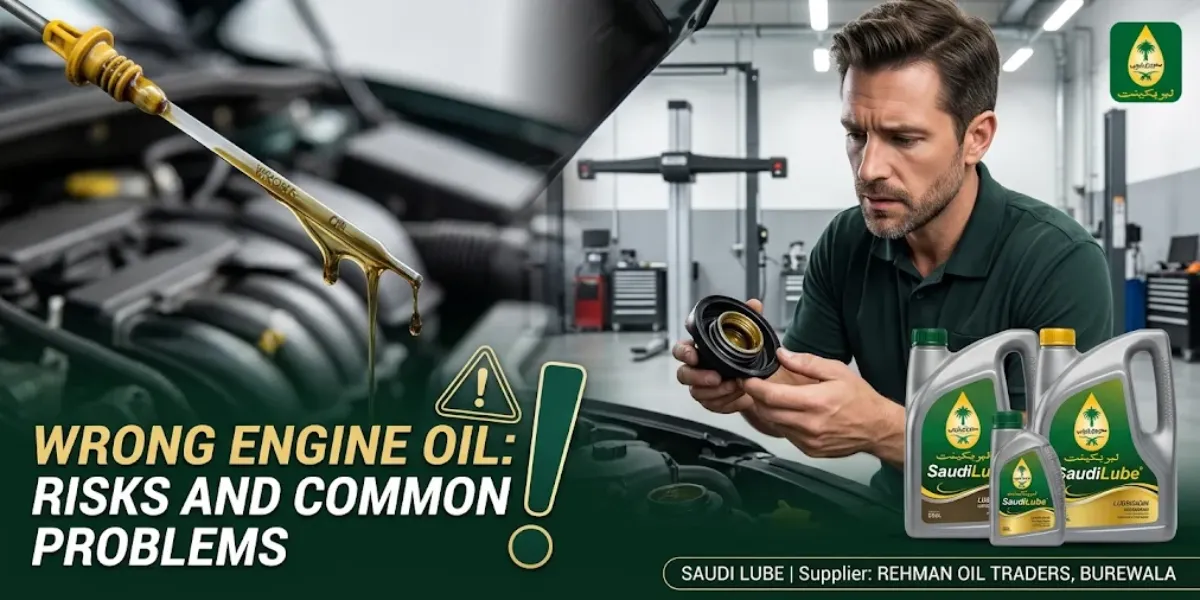
4. Incorrect Engine Oil Viscosity
Engine oil viscosity describes how easily oil flows at different temperatures. Selecting the correct viscosity is essential for proper lubrication and oil pressure.
For example, common viscosity grades include 0W-20, 5W-30, 10W-40, 10W-30 and 20W-50. Each grade has different flow characteristics and is designed for particular engine requirements.
Using oil with an unsuitable viscosity may affect lubrication and pressure.
Oil that is too thin for an engine's specified requirements may contribute to lower pressure, particularly when the engine is hot. Oil that is too thick may circulate less easily during cold starts and may not provide the intended flow.
The correct grade should always be selected according to the vehicle manufacturer's recommendations, rather than choosing oil based only on weather conditions or vehicle age.
5. Blocked Oil Filter
The oil filter removes dirt, metal particles and other contaminants from engine oil. Over time, the filter can become clogged, especially when oil changes are delayed or the engine operates in dusty or demanding conditions.
A severely restricted filter can interfere with normal oil circulation.
Most oil filters include a bypass valve designed to help maintain oil flow when the filter becomes restricted. However, relying on this system is not a substitute for regular filter replacement.
Replace the oil filter according to the vehicle manufacturer's maintenance schedule and use a suitable filter for the engine.
6. Blocked Oil Pickup Pipe or Strainer
The oil pickup pipe draws oil from the sump and supplies it to the oil pump. A strainer at the pickup opening helps prevent larger contaminants from entering the pump.
Sludge, dirt and accumulated deposits can block this strainer. When this happens, the oil pump may not receive enough oil, resulting in reduced pressure.
This problem can develop because of neglected oil changes, poor maintenance or excessive contamination inside the engine.
A blocked pickup generally requires mechanical inspection and cleaning. In severe cases, the oil sump may need to be removed to access the affected components.
7. Internal or External Oil Leaks
Oil leakage can gradually reduce the amount of oil available for circulation.
External leaks may occur around:
Oil sump gasket.
Valve cover gasket.
Oil filter housing.
Oil cooler connections.
Crankshaft seals.
Drain plug.
Internal oil leakage can also occur through worn engine components or excessive internal clearances.
If you notice oil spots underneath your parked vehicle, an oily engine surface or a falling oil level, arrange an inspection. Do not assume that every oil leak is harmless simply because the engine is still running normally.
8. Faulty Oil Pressure Sensor
Sometimes the oil pressure warning light appears even when the actual oil pressure is within the normal range.
A faulty oil pressure sensor, damaged wiring or an electrical connection problem may send incorrect information to the vehicle's monitoring system.
However, it is dangerous to assume that the sensor is responsible without checking the actual pressure.
A mechanic can use an appropriate mechanical pressure gauge to verify whether the engine is producing the pressure specified by the manufacturer. This helps distinguish an electrical fault from a genuine lubrication problem.
9. Engine Overheating and Oil Deterioration
High engine temperatures can affect the performance of engine oil. When oil becomes excessively hot, its viscosity can decrease, potentially contributing to lower oil pressure.
Overheating may also accelerate oil deterioration and increase the risk of deposits forming inside the engine.
Possible contributing factors include:
Cooling system problems.
Low coolant level.
Faulty radiator fan.
Blocked radiator.
Heavy engine load.
Delayed oil replacement.
If your vehicle experiences repeated overheating, address the cooling system problem and check the condition of the engine oil.
Warning Signs of Low Engine Oil Pressure
Recognising the warning signs early can help prevent further damage.
Oil Pressure Warning Light
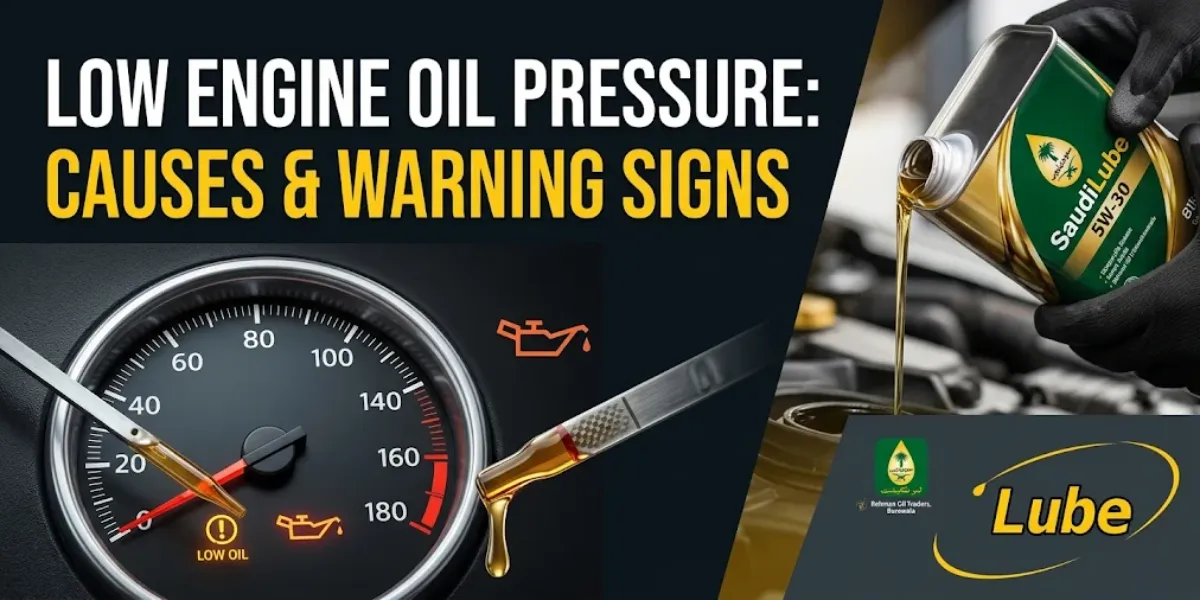
The oil pressure warning light is one of the most important indicators on your dashboard. It may appear as a red oil-can symbol.
If this light turns on while the engine is running, stop safely and switch off the engine as soon as possible. Do not continue driving simply because the vehicle appears to be operating normally.
Unusual Engine Knocking or Ticking
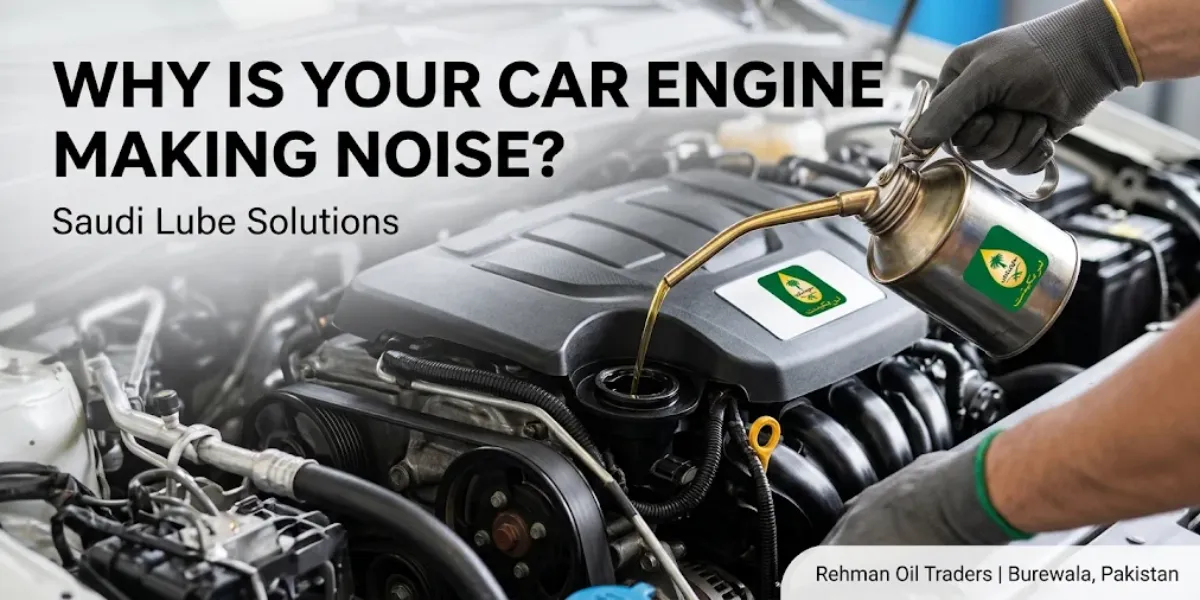
Insufficient lubrication can increase friction between moving engine components. You may hear ticking, tapping or knocking sounds.
These noises can have several causes, but when they appear alongside an oil pressure warning, they require immediate attention.
Engine Overheating
Oil helps reduce friction and carries heat away from moving engine components. Inadequate lubrication can contribute to increased internal temperatures.
If the engine is overheating and the oil pressure warning also appears, stop the vehicle safely and arrange an inspection.
Fluctuating Oil Pressure Gauge
Some vehicles have an oil pressure gauge. If the reading suddenly drops or behaves unusually, it may indicate a lubrication problem or a faulty sensor.
Compare readings with the manufacturer's specifications and have the system checked if the gauge shows abnormal behaviour.
Burning Oil Smell or Visible Leakage
An oil leak near hot engine components can sometimes produce a burning smell. Visible oil underneath the vehicle may also indicate a leak that needs attention.
These symptoms do not always mean oil pressure is low, but they should not be ignored.
What Should You Do When the Oil Pressure Warning Light Appears?
A low oil pressure warning requires immediate attention. Follow these steps:
Stop safely: Move the vehicle away from traffic and switch off the engine.
Allow the engine to settle: Wait until it is safe to check the oil level, following the manufacturer's instructions.
Check the oil level: Use the dipstick or the vehicle's recommended electronic checking procedure.
Look for visible leaks: Check for obvious oil leakage around the engine and underneath the vehicle.
Use the correct oil: If the level is low, top up with the specified oil without exceeding the maximum mark.
Do not ignore a continuing warning: If the warning remains, do not restart or continue driving. Arrange professional inspection or recovery.
Remember that adding oil only helps when insufficient oil level is the cause. It will not repair a damaged oil pump, worn bearings, blocked pickup pipe or faulty pressure sensor.
Can Low Engine Oil Pressure Damage an Engine?
Yes. Low engine oil pressure can cause serious engine damage because essential components may not receive sufficient lubrication.
Without an adequate oil film, metal surfaces can come into direct contact. This increases friction, heat and wear.
Potential consequences include:
Excessive bearing wear.
Crankshaft damage.
Camshaft damage.
Engine knocking.
Overheating.
Seized engine components.
Complete engine failure.
The longer an engine operates with genuinely low oil pressure, the greater the risk of expensive damage. Immediate action is therefore essential.
How to Prevent Low Engine Oil Pressure
Regular maintenance can reduce the risk of lubrication problems and help maintain engine performance.
Follow the Recommended Oil Change Schedule
Replace engine oil according to the vehicle manufacturer's recommended interval. Driving conditions, traffic, engine condition and operating environment can affect how frequently maintenance is required.
Do not wait until the engine starts making unusual noises before changing the oil.
Choose the Correct Oil Grade
Always check the owner's manual or manufacturer's specifications before purchasing engine oil.
The correct viscosity and performance category are important for maintaining suitable lubrication under different operating conditions.
Replace the Oil Filter Regularly
A suitable oil filter helps remove contaminants and supports proper oil circulation. Replace it according to the recommended maintenance schedule.
Check Oil Levels Frequently
Make oil level inspection part of your regular vehicle maintenance routine. Vehicles with higher mileage or known oil consumption may require more frequent checks.
Inspect for Oil Leaks
Look for oil spots underneath the vehicle and visible leakage around the engine. Repair leaks promptly to prevent the oil level from dropping.
Maintain the Cooling System
A properly functioning cooling system helps prevent excessive engine temperatures, which can affect engine oil performance.
Check coolant levels, radiator condition and cooling fan operation according to the vehicle manufacturer's maintenance guidance.
Does Changing Engine Oil Fix Low Oil Pressure?
It depends on the cause.
If low pressure is caused by an incorrect oil grade, deteriorated oil or a low oil level, correcting the problem may help restore normal operation.
However, an oil change will not repair:
A damaged oil pump.
Worn crankshaft or connecting rod bearings.
A blocked oil pickup.
Internal engine damage.
A faulty pressure relief valve.
A proper diagnosis is important before replacing parts or selecting a different oil viscosity. Using thicker oil simply to increase a pressure reading may hide an underlying problem rather than solve it.
Choosing Suitable Engine Oil for Your Vehicle
Engine oil selection should always be based on the engine manufacturer's specifications. Petrol cars, diesel vehicles and motorcycles may require different viscosity grades and performance categories.
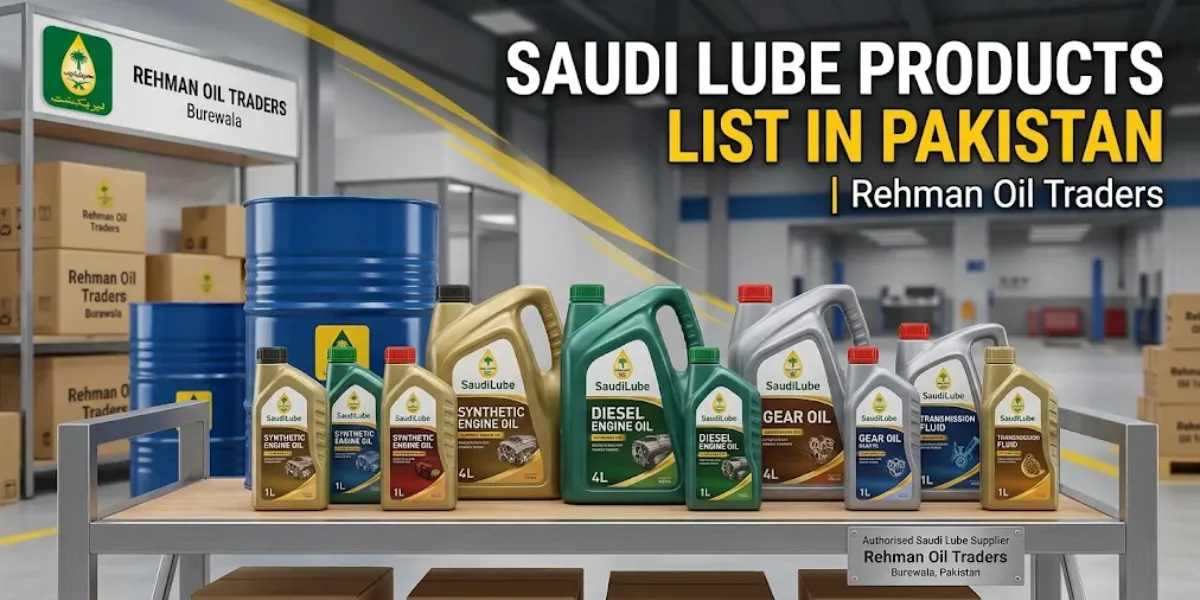
Saudi Lube offers engine oil options across different categories, including petrol engine oil, diesel engine oil and motorcycle engine oil. Available product specifications include options such as SAE 0W-20, 5W-30, 10W-30, 10W-40, 15W-40 and 20W-50, depending on the product.
For example, Saudi Lube's listed petrol engine oil range includes different viscosity and API categories, while its diesel range includes products for various engine requirements. Motorcycle engine oil options are also available.
Before choosing any product, check its label and confirm that its viscosity and performance specifications match your vehicle manufacturer's recommendations. A particular oil grade is not automatically suitable for every vehicle.
Frequently Asked Questions
1. Can low engine oil pressure damage a vehicle's engine?
Yes. Insufficient oil pressure can prevent important engine components from receiving adequate lubrication, resulting in excessive friction, overheating and potentially severe engine damage.
2. Does adding engine oil always fix low oil pressure?
No. Adding oil may help if the oil level is too low. If the problem is caused by a damaged oil pump, worn bearings, blocked oil passages or a faulty sensor, further inspection is required.
3. Can incorrect engine oil cause low oil pressure?
Yes. Oil with an unsuitable viscosity may affect circulation and pressure. Always use the viscosity and performance specification recommended by the vehicle manufacturer.
4. Is it safe to drive with the oil pressure warning light on?
No. If the oil pressure warning light appears while the engine is running, stop safely and switch off the engine. Continuing to drive may cause serious damage.
5. Can a faulty oil pressure sensor turn on the warning light?
Yes. A faulty sensor or damaged wiring can produce an incorrect warning. However, actual oil pressure should be checked before assuming the sensor is responsible.
6. How often should I check my engine oil level?
Follow your vehicle manufacturer's recommendations. Checking the oil regularly, particularly before long journeys and during routine maintenance, can help identify low oil levels early.
7. Does thicker engine oil always increase oil pressure?
No. Thicker oil is not automatically the correct solution. Using an unsuitable viscosity can affect oil circulation, especially during cold starts. Always follow the manufacturer's specifications.
Saudi Lube Engine Oil – Rehman Oil Traders
Maintaining the correct engine oil level, selecting a suitable oil grade and following a regular maintenance schedule are important steps in protecting your vehicle's engine.
Rehman Oil Traders provides access to Saudi Lube engine oil options for petrol vehicles, diesel engines and motorcycles. Customers can explore available products and their specifications to identify suitable options for their vehicle requirements.
Business Name: Rehman Oil Traders
Engine Oil Brand: Saudi Lube
Location: Burewala, Punjab, Pakistan
Website: https://www.rehmanoiltraders.com
Phone / WhatsApp: +92 310 0068195
Email: contact@rehmanoiltraders.com
For product information, availability and orders, visit www.rehmanoiltraders.com or contact Rehman Oil Traders directly.
Shipping: Delivery arrangements and charges depend on the order weight and delivery location. Customers may also contact the business to discuss collecting their orders from the warehouse.
Choose engine oil according to your vehicle manufacturer's requirements, maintain your lubrication system properly and never ignore a low oil pressure warning.