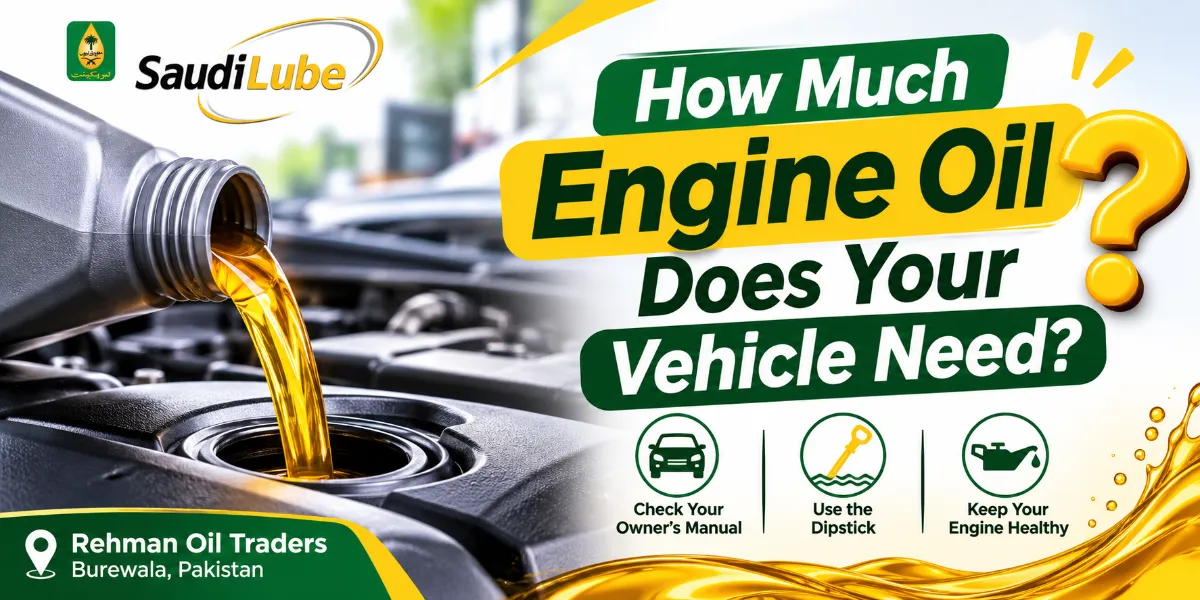

How Much Engine Oil Does Your Vehicle Need?
Every car and motorcycle has a specific engine oil capacity recommended by its manufacturer. Using the correct quantity is essential for proper lubrication, engine protection, and reliable vehicle performance. However, many vehicle owners are unsure how much engine oil their vehicle actually needs. Some assume that every motorcycle requires one litre, while others believe that adding extra oil provides additional engine protection. Both assumptions can lead to problems.
The correct engine oil quantity depends on several factors, including engine size, engine design, oil sump capacity, oil filter configuration, and whether the oil is being changed with or without the filter. Therefore, there is no single engine oil quantity suitable for every car, motorcycle, or diesel vehicle.
In this guide, we will explain how to identify your vehicle's engine oil capacity, how to check the oil level correctly, why overfilling and underfilling should be avoided, and how to choose suitable engine oil for your vehicle.
1. Why Is the Correct Engine Oil Quantity Important?
Engine oil performs several important functions inside an engine. It reduces friction between moving components, helps control operating temperatures, carries contaminants towards the oil filter, and protects internal engine surfaces against excessive wear.
However, engine oil can only perform these functions properly when the quantity is maintained within the manufacturer's recommended range.
If the engine contains too little oil, important components may not receive adequate lubrication. This can increase friction, operating temperatures, and the risk of premature engine wear.
On the other hand, adding too much oil can also create unwanted pressure and circulation problems. Excess oil may come into contact with rotating engine components, become aerated, or enter areas where it should not be.
Maintaining the correct oil level helps support:
Proper lubrication of engine components.
Better protection against friction and wear.
Appropriate engine operating temperatures.
Reliable oil circulation.
Reduced risk of oil-related engine problems.
Consistent engine performance.
The objective is not to add as much oil as possible. It is to maintain the quantity specified by the vehicle manufacturer.
2. How Much Engine Oil Does a Car Need?
The engine oil capacity of a car varies according to its make, model, manufacturing year, engine size, and design.
A small petrol car may require a different quantity from a larger sedan, SUV, or diesel vehicle. Even two vehicles from the same manufacturer can have different oil capacities.
For example, a vehicle with a smaller engine may require less oil than a vehicle with a larger engine. However, engine displacement alone does not determine the exact oil capacity.
Other factors include:
Engine configuration.
Oil sump design.
Oil filter size and position.
Whether the oil cooler is included in the system.
Whether the oil filter is replaced during servicing.
Manufacturer-specific maintenance requirements.
Always consult your owner's manual or the manufacturer's service information before adding engine oil.
Does the oil filter affect engine oil quantity?
Yes. When an oil filter is replaced, the quantity required during an oil change may differ from the quantity required when the filter is not replaced.
A new filter also needs to fill with oil when the engine is started. This is why manufacturers may provide separate oil capacity figures for different servicing conditions.
Do not automatically use the same quantity for every oil change. Check the correct specification for your vehicle.
3. How Much Engine Oil Does a Motorcycle Need?
Motorcycle engine oil capacity also varies significantly between models. A small commuter motorcycle, a larger motorcycle, and a high-performance bike may all require different quantities.
Many motorcycle owners purchase engine oil in one-litre bottles, but this does not mean that every motorcycle requires exactly one litre.
Some motorcycles require less than one litre, while others require more. Certain models also have different quantities depending on whether the oil filter or oil strainer is being serviced.
Before filling motorcycle engine oil, check:
The motorcycle owner's manual.
The manufacturer's recommended oil capacity.
Whether the stated quantity includes filter replacement.
The recommended oil grade.
The correct method for checking the oil level.
Why should motorcycle owners avoid guessing?
Using an estimated quantity can result in either underfilling or overfilling. Both conditions can affect engine lubrication.
Motorcycle engines may also share engine oil with the gearbox and wet clutch, depending on their design. For these motorcycles, selecting oil that meets the manufacturer's specifications is particularly important.
Do not select engine oil only because its viscosity appears suitable. Check the required performance specification and motorcycle compatibility as well.
4. How to Find Your Vehicle's Correct Engine Oil Capacity
Finding the correct engine oil capacity is usually straightforward if you follow the manufacturer's information.
Check the owner's manual
The owner's manual is one of the most reliable places to find the recommended engine oil capacity. Look for the maintenance, lubrication, or technical specifications section.
The manual may list separate quantities for an oil change with a new filter, an oil change without a filter replacement, and a completely dry engine.
These quantities are not always interchangeable.
Check the manufacturer's service information
If you do not have the owner's manual, consult the vehicle manufacturer's official service information or an authorised service centre.
Make sure the information matches your exact model, engine variant, and manufacturing year.
Ask a qualified mechanic
A qualified mechanic can help identify the correct oil capacity and filling procedure. This is particularly useful when servicing an older vehicle, an imported model, or a vehicle with a modified engine.
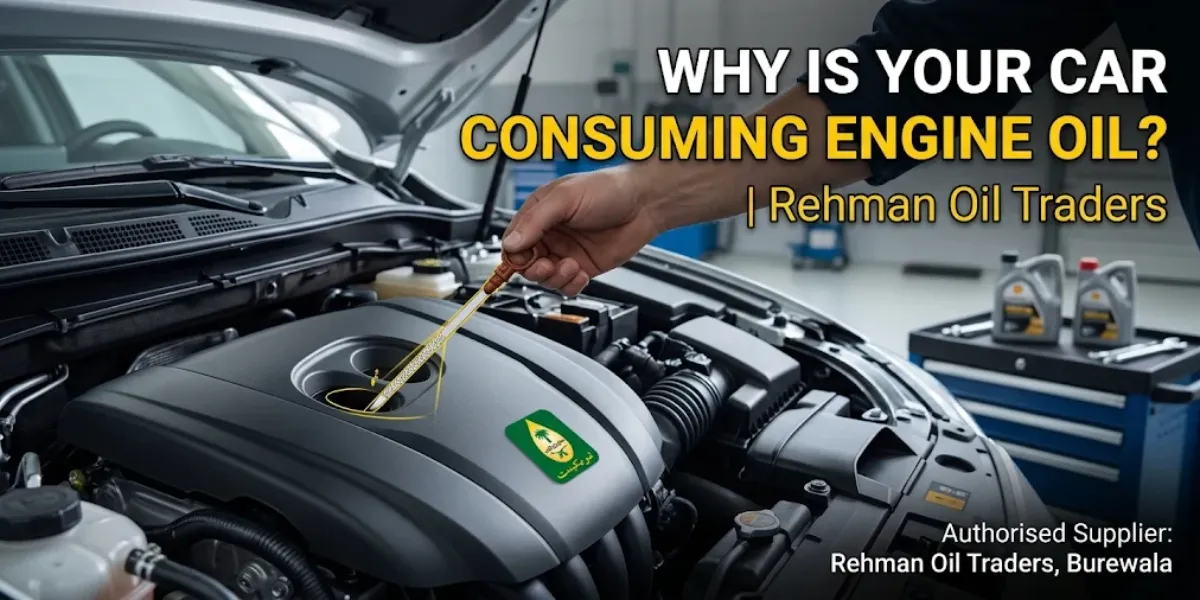
Check the dipstick or oil-level indicator
Many vehicles have a dipstick with minimum and maximum markings. Other vehicles use an electronic oil-level monitoring system.
These indicators help you verify the actual oil level after filling. They should be used according to the manufacturer's instructions rather than as a substitute for the specified oil capacity.
5. How to Check Car Engine Oil Level Correctly
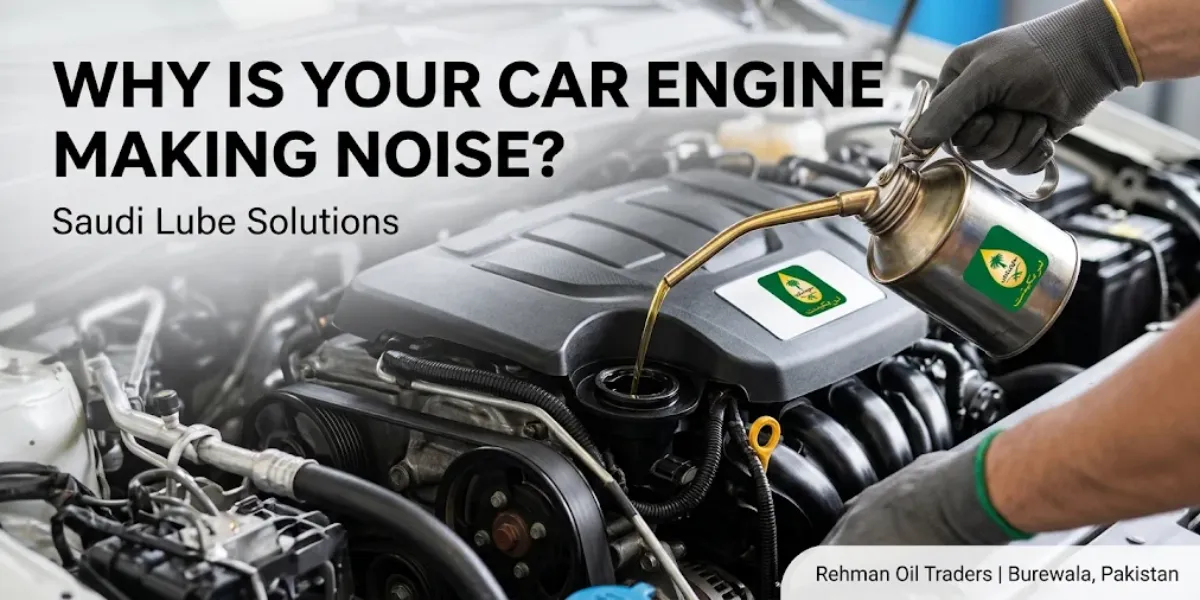
Checking your car's engine oil level is an important part of routine maintenance. It can help you identify low oil levels before they become serious problems.
Follow these general steps:
Step 1: Park on a level surface
Park your car on flat ground. An uneven surface can produce an inaccurate oil-level reading.
Step 2: Follow the recommended waiting period
Switch off the engine and allow the oil to settle for the period specified by the manufacturer. Some vehicles require the engine to be cold, while others specify checking after a short waiting period following operation.
Step 3: Locate the dipstick
Open the bonnet and locate the engine oil dipstick. Remove it carefully.
Step 4: Clean the dipstick
Wipe the dipstick with a clean cloth or tissue to remove the existing oil.
Step 5: Reinsert the dipstick
Insert it fully into its original position and remove it again.
Step 6: Read the oil level
Check the oil between the minimum and maximum markings. If the level is below the recommended range, the vehicle may require additional oil.
Step 7: Add oil carefully
If necessary, add a small quantity of the correct engine oil. Allow it to settle and check the level again.
Avoid filling beyond the maximum mark.
Some vehicles use electronic oil-level monitoring instead of a traditional dipstick. Follow the manufacturer's specific procedure for these models.
6. How to Check Motorcycle Engine Oil Level
The procedure for checking motorcycle engine oil varies depending on the motorcycle design.
Some motorcycles have an oil-level inspection window, while others use a dipstick or oil filler cap with measurement markings.
For motorcycles with an inspection window:
Place the motorcycle on the position specified by its manufacturer.
Ensure the motorcycle is on level ground.
Follow the recommended engine temperature and waiting procedure.
Look at the oil-level window.
Confirm that the oil is within the indicated range.
For motorcycles with a dipstick, follow the manufacturer's instructions. Some dipsticks must be inserted without screwing them in, while others must be fully tightened before taking a reading.
Do not assume that all motorcycles use the same checking method. Incorrect positioning can result in an inaccurate reading.
7. What Happens If You Put Too Much Engine Oil in Your Vehicle?
Overfilling engine oil is a common servicing mistake. Some vehicle owners believe that extra oil provides additional protection, but this is not correct.
Engines are designed to operate with a specific oil quantity and level.
Excessive engine oil can create several problems:
Oil foaming and aeration
When the oil level is too high, rotating engine components may come into contact with the oil. This can cause aeration or foaming.
Air bubbles in the oil can interfere with consistent lubrication.
Increased crankcase pressure
Excess oil can contribute to increased crankcase pressure and may place additional stress on engine seals and gaskets.
Oil entering unwanted areas
In certain circumstances, excessive oil can enter the crankcase ventilation system or combustion-related areas. This may contribute to smoke, deposits, or other engine problems.
Leakage and other servicing issues
An excessive oil level can contribute to oil leaks or other lubrication-related problems, depending on the engine design and operating conditions.
If you accidentally overfill your engine, have the level checked and corrected before continuing normal use. Do not ignore an oil level that is significantly above the maximum marking.
8. What Happens If Your Vehicle Has Too Little Engine Oil?
Underfilling can be just as harmful as overfilling.
Engine oil circulates through important internal components. If the quantity becomes too low, the oil pump may not maintain adequate oil supply under certain operating conditions.
Possible consequences include:
Increased friction between moving components.
Excessive engine heat.
Unusual engine noise.
Low oil pressure warnings.
Accelerated internal engine wear.
Serious engine damage in extreme cases.
If your vehicle displays an oil pressure warning, stop safely and switch off the engine as soon as possible. Do not continue driving simply because the engine still appears to run normally.
Check the oil level and seek professional assistance if the warning remains or the cause is unclear.
9. Does Oil Capacity Change When You Replace the Oil Filter?
Yes, the required quantity can change when the oil filter is replaced.
During normal engine operation, the oil filter contains engine oil. When the filter is removed, some of that oil is also removed from the lubrication system.
A replacement filter must be filled as part of the system's normal operation. Therefore, the manufacturer may specify a slightly different quantity for an oil change that includes filter replacement.
This is why mechanics should check the correct service specification rather than relying on a general estimate.
Always follow the manufacturer's instructions for replacing the oil filter, filling the engine, and checking the final oil level.
10. Does the Engine Oil Grade Affect the Quantity Required?
Engine oil grade and engine oil capacity are two different things.
The oil grade describes characteristics such as viscosity, while the capacity describes how much oil the engine requires.
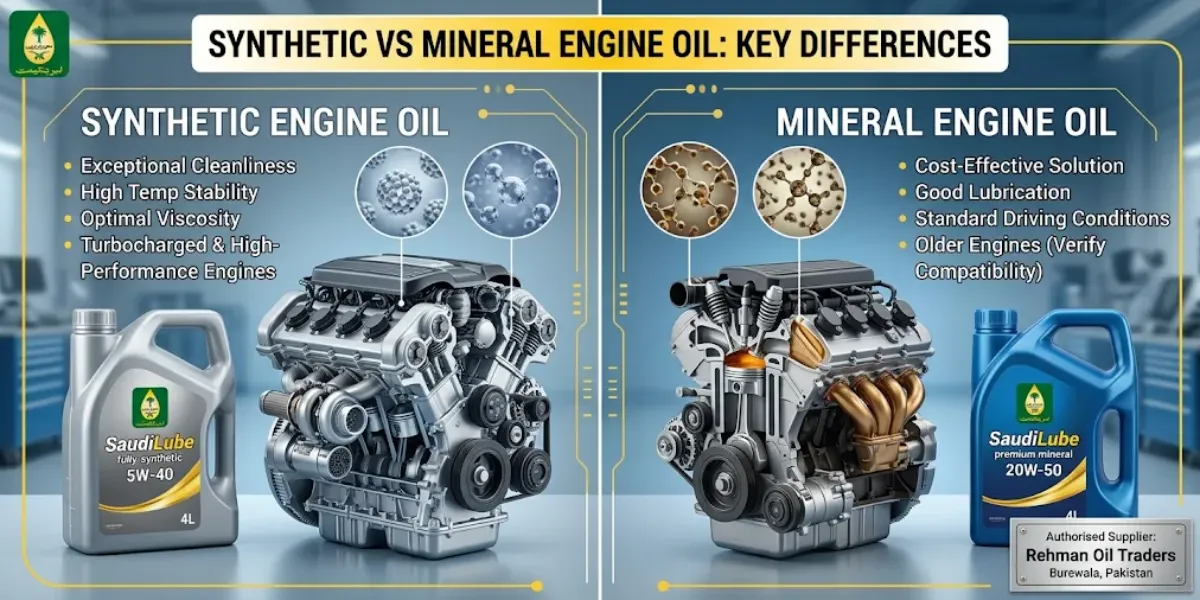
For example, SAE 5W-30, SAE 10W-40, and SAE 20W-50 are different viscosity grades. They do not indicate how many litres of oil an engine needs.
The correct viscosity depends on the manufacturer's recommendations, engine design, operating conditions, and applicable performance requirements.
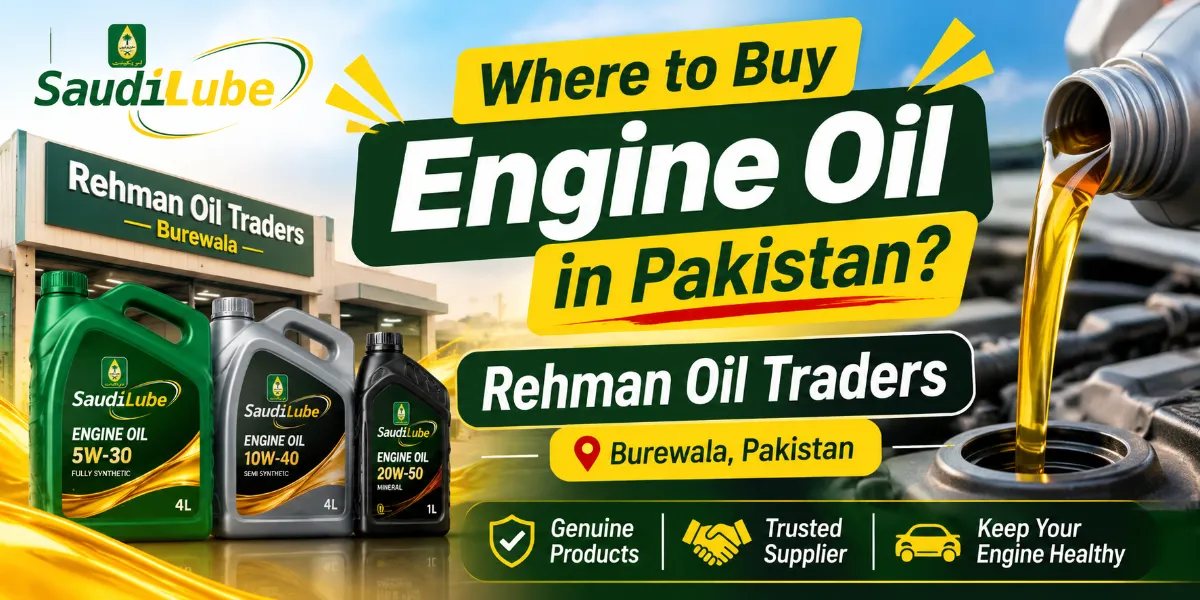
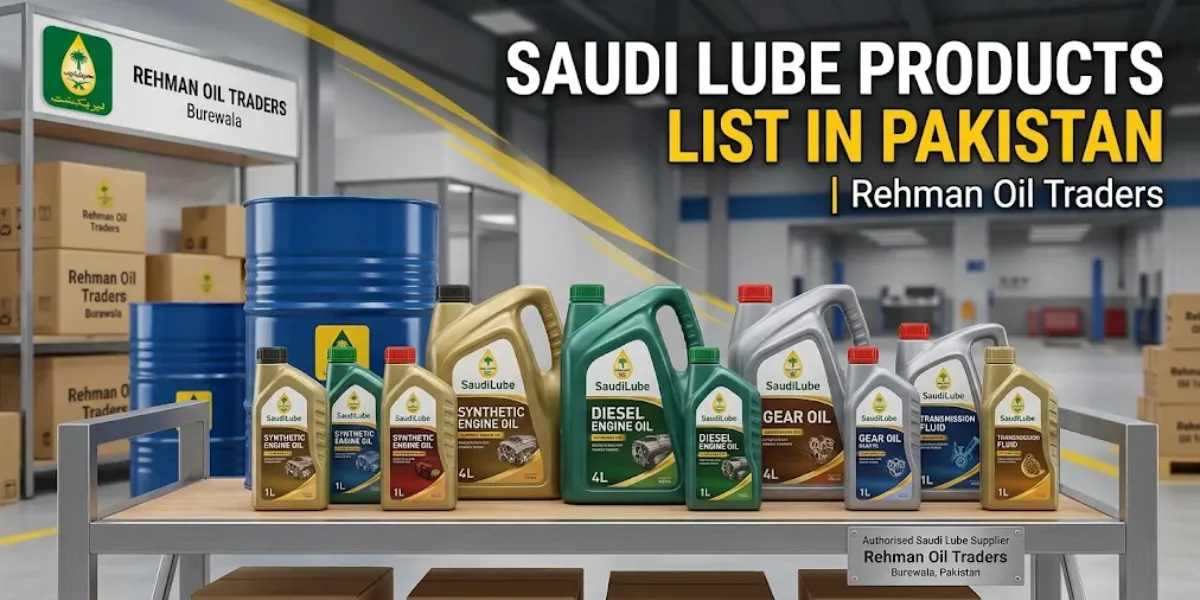
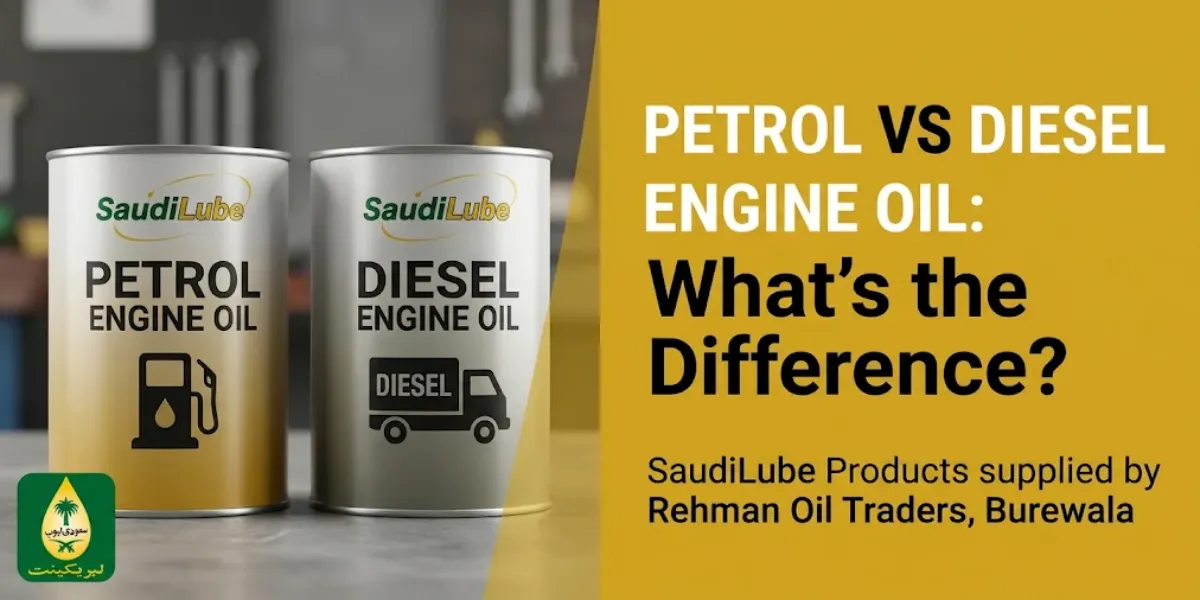
Saudi Lube offers different engine oil options for various vehicle applications, including:
Petrol engine oil:
SL-GASO-1 API SP SAE 0W-20
SL-Gaso-5 API SP SAE 5W-30
SL-Gaso-4 API SN SAE 10W-40
SL-Gaso-3 API SM SAE 10W-30
Gasoline API SG SAE 20W-50
Motorcycle engine oil:
SL-Sumama API SG SAE 20W-50
SL-Sumama API SF SAE 20W-40
Diesel engine oil:
SL-Diesel 6000 API CI-4 SAE 15W-40
SL-Diesel 5000 API CH-4 SAE 20W-50
SL-Diesel 4500 API CF-4/SJ SAE 20W-50
SL-Diesel 4000 API CF SAE 20W-50
These options serve different applications. Always compare the product's specifications with your vehicle manufacturer's requirements before purchasing.
11. Common Engine Oil Filling Mistakes to Avoid
Even a routine oil change can create problems if the correct procedure is not followed.
Here are some common mistakes vehicle owners and inexperienced mechanics should avoid:
Using the same quantity for every vehicle: Engine oil capacity differs between vehicles, even when their engine sizes appear similar.
Filling according to bottle size: A one-litre bottle does not mean your motorcycle or car requires the entire bottle.
Ignoring oil filter replacement: Oil capacity may differ depending on whether the filter is replaced.
Adding oil without checking the level: Always verify the level after filling.
Choosing oil only by viscosity: The manufacturer's required API category and other specifications should also be considered.
Overlooking oil leaks: If the oil level repeatedly decreases, investigate possible leaks or excessive consumption.
Ignoring warning lights: Oil pressure warnings should never be treated as ordinary maintenance reminders.
Avoiding these mistakes can help maintain proper lubrication and reduce unnecessary engine-related expenses.
12. How Often Should You Check Your Engine Oil Level?
Regular oil-level checks can help you identify problems before they become serious.
The recommended checking frequency depends on the vehicle, its age, mileage, engine condition, and driving conditions.
For example, older vehicles or vehicles with a history of oil consumption may need more frequent monitoring than newer vehicles.
Consider checking the oil:
Before a long journey.
During routine vehicle maintenance.
When you notice an unusual engine noise.
If an oil warning appears.
When you suspect an oil leak.
According to the checking schedule in your owner's manual.
If your vehicle consistently consumes oil, do not simply keep topping it up without investigating the reason. A mechanic should check for leaks, worn components, or other possible causes.
13. Why Choose the Correct Saudi Lube Engine Oil?
Choosing engine oil is not just about selecting a familiar brand or a particular viscosity. It is about finding a product whose specifications match the requirements of your vehicle.
Saudi Lube provides engine oil options for different applications, including petrol cars, motorcycles, and diesel engines.
Before purchasing, consider the following:
Your vehicle's manufacturer-recommended viscosity.
The required API performance category.
Whether the oil is suitable for your engine type.
The recommended oil-change interval.
The quantity required for your specific vehicle.
Rehman Oil Traders can help customers explore available Saudi Lube engine oil options and obtain product information.
For vehicle owners, workshops, mechanics, and businesses purchasing engine oil, selecting the correct product and quantity is an important part of responsible vehicle maintenance.
Frequently Asked Questions
1. How many litres of engine oil does a car need?
There is no fixed quantity for every car. The required amount depends on the vehicle's make, model, engine design, and whether the oil filter is replaced. Always check the owner's manual.
2. Can I put one litre of oil in every motorcycle?
No. Motorcycle oil capacity varies by model. Some motorcycles require less than one litre, while others require more. Check the manufacturer's recommended quantity.
3. Should I fill engine oil to the maximum mark?
Maintain the oil level within the manufacturer's specified range. Do not exceed the maximum marking.
4. Does changing the oil filter require more oil?
The required quantity may be different when replacing the oil filter because the filter also holds oil. Follow the manufacturer's specified capacity for that service.
5. What happens if I put too much engine oil in my car?
Overfilling can cause oil aeration, increased crankcase pressure, and other lubrication-related problems. Have the oil level corrected if it is above the recommended maximum.
6. Can I mix different engine oil quantities or brands?
The important consideration is compatibility with the manufacturer's required specifications. Avoid mixing oils unnecessarily, especially when their viscosity grades or performance specifications differ. Consult a qualified mechanic if you need to top up with a different product.
7. How do I know if my engine oil is low?
Check the dipstick or electronic oil-level indicator according to the manufacturer's procedure. Some vehicles may also display an oil-level warning. Remember that an oil pressure warning is different and requires immediate attention.
8. Does engine size determine oil capacity?
Engine size can influence oil capacity, but it is not the only factor. Engine design, sump configuration, and oil filter arrangement also affect the required quantity.
9. Can I drive with low engine oil?
Driving with insufficient engine oil can cause serious engine damage. If the oil pressure warning appears, stop safely and switch off the engine. Check the level and seek professional assistance.
10. Where can I buy Saudi Lube engine oil in Pakistan?
You can contact Rehman Oil Traders in Burewala, Punjab, Pakistan, for information about available Saudi Lube engine oil products. Visit the website or contact the business directly.
About Saudi Lube – Rehman Oil Traders
Rehman Oil Traders offers Saudi Lube engine oil options for different automotive applications, including petrol engines, diesel engines, and motorcycles.
Based in Burewala, Punjab, Pakistan, Rehman Oil Traders serves customers looking for engine oil products for personal vehicles, workshops, and business requirements.
Whether you need petrol engine oil, diesel engine oil, or motorcycle engine oil, you can explore available products and request further information through the official website.
Business Name: Rehman Oil Traders
Brand: Saudi Lube
Location: Burewala, Punjab, Pakistan
Website: https://www.rehmanoiltraders.com
Phone / WhatsApp: +92 310 0068195
Email: contact@rehmanoiltraders.com
Shipping Information: Delivery arrangements and charges depend on the order weight and delivery location. Customers can also contact Rehman Oil Traders to discuss collecting their orders from the warehouse.
Visit www.rehmanoiltraders.com to explore Saudi Lube engine oil products and contact Rehman Oil Traders for product information.
Choose the correct engine oil, follow the manufacturer's recommended capacity, and maintain the proper oil level to help protect your vehicle's engine.